The first cold snap is a bad time to find out your roof has a problem.
In Shelby, fall weather can feel mild, but your roof is already preparing for months of rain, wind, falling leaves, cold nights, and occasional winter weather. Small issues like missing shingles, clogged gutters, cracked pipe boots, loose flashing, or minor leaks can get worse fast once moisture and colder temperatures set in.
Shelby does not usually deal with heavy snow every winter, but roof protection is still about controlling water. With regular rainfall, seasonal debris, freeze-thaw conditions, and the chance of sleet or freezing rain, your roof needs to be clean, sealed, and draining properly before winter starts.
That is why a fall roof checklist matters. A quick inspection now can help homeowners catch common roof problems early and avoid bigger repairs later. CPS Construction Services helps homeowners in Shelby and nearby communities spot roofing problems early, make smart repairs, and protect their homes before colder weather makes everything harder to fix.
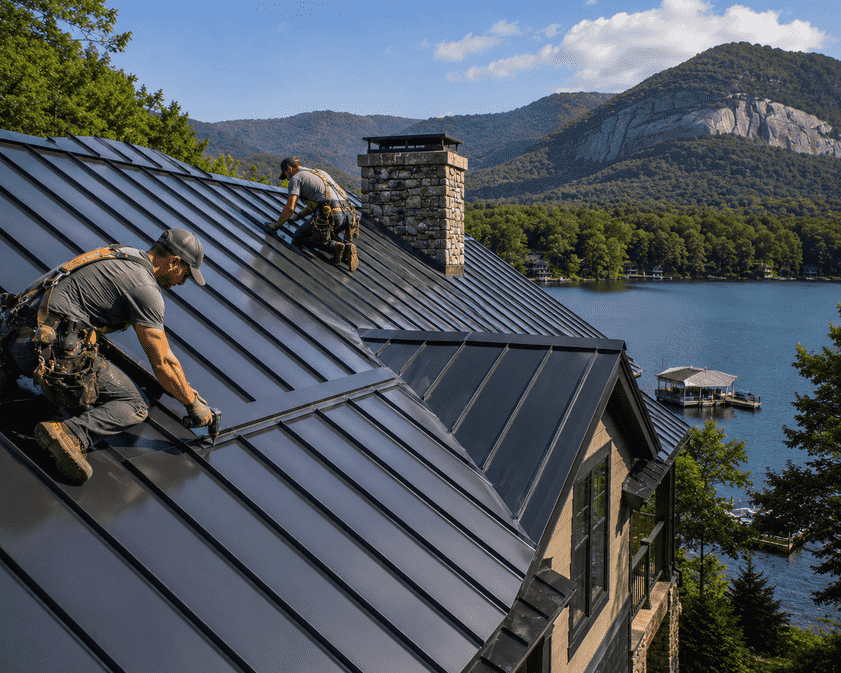
What Should Shelby Homeowners Check on Their Roof Before Winter?
Shelby homeowners should check eight main areas before winter: gutters and downspouts, missing or damaged shingles, flashing around chimneys and walls, pipe boots and roof vents, roof valleys, attic ventilation, interior leak signs, and storm or tree damage. A fall roof inspection helps catch small roof problems before rain, cold weather, clogged gutters, and winter storms make them worse.
Why Fall Is a Smart Time to Inspect Your Roof
Fall is a good time to catch roof problems before colder weather arrives. Dry conditions and moderate temperatures can make inspections and repairs easier, while falling leaves can reveal drainage issues around valleys, gutters, downspouts, and roof penetrations.
Wet leaves, pine needles, and small branches can trap moisture and block runoff, making it important to check the roof before winter weather settles in.
A Fall Roof Inspection Should Check:
- Loose, cracked, or damaged shingles
- Flashing around chimneys, walls, vents, and skylights
- Roof valleys and drainage paths
- Gutters and downspouts
- Signs of attic or ceiling leaks
- Damage from summer storms
Wind, heavy rain, freezing conditions, and colder temperatures can make existing roofing problems worse. Finding them in fall gives you time to make repairs while they are still manageable.
1. Clean Gutters and Downspouts
Gutters control where roof runoff goes, so Shelby homeowners should check them before colder weather arrives. Clogs, sagging sections, leaks, or poorly placed downspouts can send water toward the fascia, roof edge, siding, or foundation.
Check for:
- Leaves, pine needles, and roof granules
- Clogged or slow-draining downspouts
- Water stains behind gutters
- Sagging gutter sections
- Loose hangers or fasteners
- Leaking or separated seams
- Downspouts draining too close to the foundation
Clearing debris and repairing loose or damaged sections can help reduce overflow and added stress from trapped water or ice. If the gutters are difficult to access safely, have them inspected by a professional.

2. Look for Missing, Lifted, or Damaged Shingles
Your shingles are the roof’s main weather barrier, so damaged or loose shingles should be addressed before winter. A ground-level inspection can often reveal obvious problems without climbing onto the roof.
Look for:
- Missing or loose shingles
- Curled or cracked edges
- Lifted tabs
- Exposed nail heads
- Bald spots from granule loss
- Shingle pieces in the yard
- Heavy granules in gutters
- Wavy or sunken roof areas
Some granule loss is normal as asphalt shingles age, but bare spots, heavy granule buildup, or widespread deterioration can signal wear. Repairing damaged shingles early can help prevent wind and rain from making existing problems worse.
3. Check Flashing Around Chimneys, Walls, and Roof Edges
Flashing helps seal areas where the roof changes direction or meets another surface, including chimneys, walls, valleys, skylights, vents, and roof edges.
Check for:
- Rust or corrosion
- Loose or lifted metal
- Gaps around flashing
- Cracked or missing sealant
- Water stains below the area
- Debris packed against flashing
- Shingles pulling away nearby
Even a small flashing gap can allow wind-driven rain beneath the roof and lead to wet insulation, damaged decking, ceiling stains, or wood rot. Loose or damaged flashing should be properly resealed, secured, or replaced.
4. Inspect Pipe Boots, Vents, and Roof Penetrations
Roof penetrations are common leak points because every vent, pipe, skylight, or roof-mounted component must remain properly sealed. Plumbing vent boots are especially important because rubber seals can crack or shrink with age and weather exposure.
Check for:
- Cracked pipe boots
- Gaps around vent pipes
- Loose flashing collars
- Missing fasteners
- Rusted or damaged vents
- Loose vent caps
- Water stains in the attic
Water entering around a roof penetration can travel before appearing inside, so a ceiling stain may not be directly below the source. Damaged seals or flashing should be repaired before winter rain makes the problem worse.
5. Clear Roof Valleys and Debris Piles
Roof valleys carry a large amount of runoff because they collect water from two roof slopes. Leaves, pine needles, branches, and shingle debris can block that flow and hold moisture against the roofing surface.
Check for:
- Leaves or pine needles in roof valleys
- Branches resting on shingles
- Debris packed against flashing
- Moss or algae buildup
- Debris behind chimneys
- Blocked roof-wall intersections
Trapped debris can slow drainage and keep shingles wet longer, increasing the risk of premature wear and leaks. Remove debris gently and avoid pressure washing asphalt shingles. Steep or difficult roofs should be handled by a professional.
6. Check the Attic for Leaks, Moisture, and Ventilation Problems
Some roof problems are easier to spot from inside the attic. Before winter, a safe attic check can reveal moisture, ventilation, or leak issues that may not be visible from outside.
Look for:
- Water stains on rafters or decking
- Damp insulation
- Dark streaks or visible growth on wood
- Musty odors
- Daylight through the roof deck
- Rust on nails
- Condensation
- Blocked soffit vents
- Exhaust fans venting into the attic
Proper attic ventilation, insulation, and air sealing help control moisture and temperature. If you find damp insulation, staining, condensation, or blocked airflow, have the roof and attic inspected before colder weather arrives.
7. Look for Interior Signs of Small Roof Leaks
Roof leaks do not always start with water dripping from the ceiling. Small leaks can first appear as stains, damp insulation, peeling paint, or musty odors.
Check for:
- Brown ceiling stains
- Peeling paint or bubbling drywall
- Musty odors
- Soft ceiling areas
- Water stains near fireplaces or vents
- Damp attic insulation
- Moisture around skylights
- New spots after heavy rain
If you find a stain, check it again after the next rainfall. New or growing marks can indicate active moisture. Addressing leaks early can help prevent damage to roof decking, insulation, drywall, and interior finishes.
8. Check for Storm, Wind, and Tree Damage
Summer storms and fall wind can leave roof damage that is easy to miss. Before winter, check the roof and surrounding property for signs of impact, wind, or debris damage.
Look for:
- Shingle pieces in the yard
- Branches on the roof
- Dented gutters
- Bent flashing
- Missing ridge cap shingles
- Loose fascia or soffit
- Damaged siding near the roofline
- Heavy granules near downspouts
- Tree limbs touching the roof
- Lifted or uneven shingles
Wind can loosen shingles, hail can damage the surface, and falling branches can affect roofing, gutters, vents, and flashing. Even minor damage should be checked before colder weather and heavy rain make the problem worse.
What Shelby Homeowners Can Safely Check From the Ground
You do not need to climb onto the roof to spot many warning signs. A ground-level and interior check can reveal problems safely.
From the Ground, Look for:
- Missing, curled, or lifted shingles
- Sagging gutters or loose downspouts
- Branches touching the roof
- Debris in roof valleys
- Damaged fascia or soffit
- Granules near downspouts
- Uneven roof areas
Look for ceiling stains, attic moisture, damp insulation, musty odors, rusted nails, or water marks near chimneys and vents.
If the roof is steep, high, wet, damaged, or difficult to access, have it inspected by a professional instead of climbing onto it yourself.

When Should You Call a Roofing Contractor?
Some roof maintenance tasks are simple, but others need a trained roofing professional.
Call CPS Construction Services if you notice:
- Missing shingles
- Active roof leaks
- Ceiling stains after rain
- Loose or rusted flashing
- Cracked pipe boots
- Sagging gutters
- Storm damage
- Soft or uneven roof areas
- Water stains in the attic
- Large amounts of granules in gutters
- Tree damage
- A roof that has not been inspected in years
You should also schedule a professional roof inspection if you are not sure how old the roof is, if you recently bought the home, or if neighboring homes are getting roof repairs after a storm.
A professional roof inspection can look beyond the obvious surface issues. The contractor can check shingles, flashing, valleys, roof penetrations, drip edge, gutters, attic ventilation, decking condition, and signs of water intrusion.
Fall Roof Checklist for Shelby Homeowners
Use this simple fall roof checklist to catch common problems before winter:
- Clean gutters and downspouts.
- Look for missing, cracked, curled, or lifted shingles.
- Check flashing around chimneys, walls, dormers, and roof edges.
- Inspect pipe boots, vents, skylights, and other roof penetrations.
- Clear leaves, branches, pine needles, and debris from roof valleys.
- Check the attic for leaks, damp insulation, blocked vents, and moisture.
- Look indoors for ceiling stains, peeling paint, musty odors, or water marks.
- Check for storm, wind, hail, and tree damage before winter.
These steps cover many of the areas where winter roof problems begin and can help identify issues before colder, wetter weather arrives.
Why Small Roof Repairs Before Winter Are Worth It
A small roof repair in fall can prevent a bigger repair later.
That does not mean every roof concern requires a full replacement. Many issues can be localized, especially if caught early. A cracked pipe boot, a few missing shingles, loose flashing, or a clogged gutter may be manageable before water spreads into the attic or interior.
The bigger risk is waiting until damage becomes visible inside the home. By the time you see a ceiling stain, water may have already passed through shingles, underlayment, decking, insulation, and drywall.
Fall roof maintenance can help protect several important parts of your home before colder, wetter weather arrives.
Fall Roof Maintenance Helps Protect:
- Shingles
- Roof decking
- Attic insulation
- Ceilings and drywall
- Fascia and soffit
- Gutters and downspouts
- Chimney and wall flashing
- Interior finishes
- Foundation drainage areas
For Shelby homeowners, the best approach is simple: inspect early, repair small problems, and make sure the roof is ready before winter rain and cold weather arrive.
Schedule a Fall Roof Inspection With CPS Construction Services
Your roof does not need to be perfect to make it through winter, but it does need to be clean, watertight, properly draining, and free from obvious damage.
If you are seeing missing shingles, clogged gutters, water stains, flashing concerns, storm damage, or signs of a small roof leak, do not wait for colder weather to make the problem worse.
CPS Construction Services helps Shelby homeowners with roof inspections, roof repairs, storm damage checks, gutter concerns, and exterior home improvement needs. Schedule your fall roof inspection today and get your home ready before winter weather arrives.
- Fall Roof Checklist
Frequently Asked Questions
The most important fall roof maintenance task is making sure water can drain properly. Clean gutters, clear downspouts, remove debris from roof valleys, and check for missing shingles or flashing gaps. Most winter roof problems start when water cannot move off the roof correctly.
Look for signs left behind by summer storms and fall weather, such as lifted shingles, missing shingles, loose flashing, dented gutters, fallen branches, roof granules near downspouts, or new ceiling stains after rain. These issues can get worse once colder temperatures and winter storms arrive.
Yes. Clogged gutters can cause water to overflow, back up near the roof edge, soak fascia boards, and drain too close to the foundation. In cold weather, trapped water can also freeze and add weight to already loose or clogged gutter sections.
Flashing protects the areas where the roof meets walls, chimneys, skylights, vents, valleys, and other transitions. These areas handle a lot of water movement. If flashing is loose, rusted, bent, poorly sealed, or missing, rain can enter around the joint and leak into the home.
You can inspect many roof issues safely from the ground with binoculars or from inside the attic. Avoid climbing on steep, wet, high, or damaged roofs. If you suspect storm damage, active leaks, soft decking, or loose materials, call a roofing professional.
The attic can reveal roof problems that are hard to see outside. Damp insulation, water stains, rusted nails, musty smells, blocked vents, or daylight through the roof deck can point to leaks, ventilation issues, or moisture problems.
The best time to schedule a fall roof inspection in Shelby is early to mid-fall, before colder weather, heavy leaf buildup, and winter rain become regular. This gives you time to repair shingles, flashing, gutters, vents, or small leaks before conditions get worse.
Call CPS Construction Services for roof inspection and roof repair services in Shelby, NC. The team can check shingles, flashing, gutters, roof penetrations, storm damage, attic leak signs, and other roofing issues before winter weather arrives.


