A metal roof is built to last. Many metal roofing systems such as standing seam metal roofs, galvanized steel panels, aluminum roofing, and copper roofing can protect a home or commercial building for 40 to 70 years or more. But long lifespan does not mean zero maintenance. Weather, debris buildup, loose roof fasteners, worn roof sealant, and damaged flashing can slowly lead to metal roof leaks, rust, and corrosion if small problems are ignored.
The good news is that most issues can be prevented with simple, routine care. Regular metal roof inspections, cleaning gutters and roof valleys, checking fasteners, inspecting flashing around vents and chimneys, and maintaining roof sealant or protective roof coatings help keep a metal roofing system watertight and rust free. This metal roof maintenance checklist explains the key steps property owners can take to prevent leaks and extend the life of their residential or commercial metal roof.
Why Regular Metal Roof Maintenance Is Important
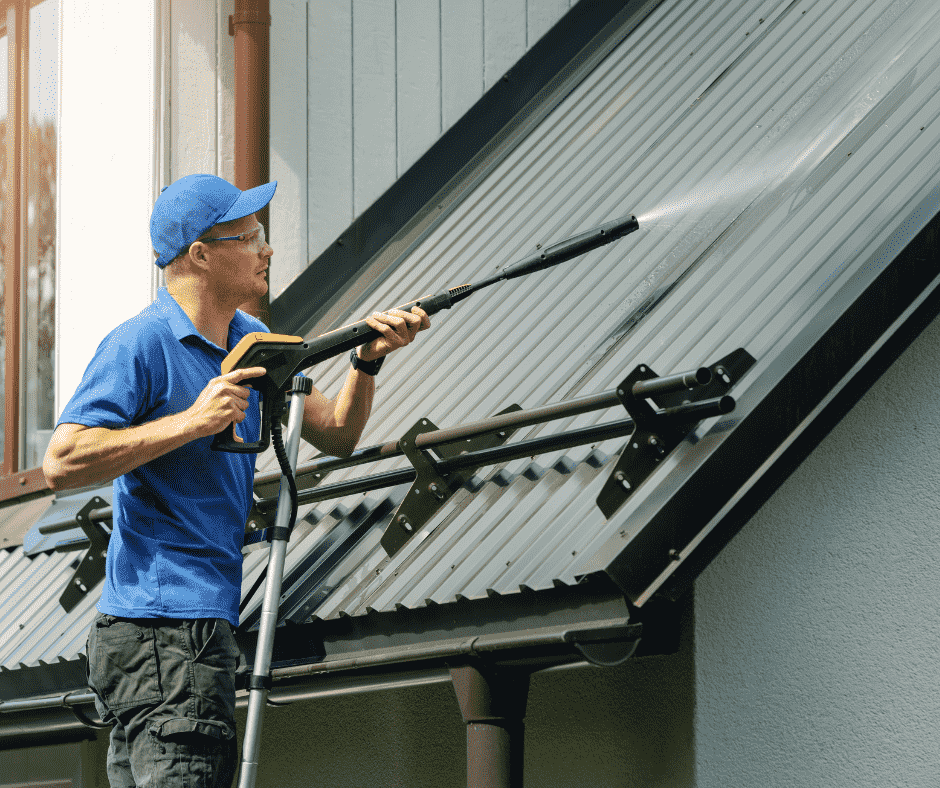
Metal roofing systems are known for durability, but they still require routine care to perform at their best. Preventative metal roof maintenance helps protect the roofing system from leaks, rust, corrosion, and structural damage while extending the lifespan of the roof.
Regular metal roof inspections and simple maintenance tasks can prevent small issues from becoming expensive roof repairs. Here are the main reasons metal roof maintenance is essential:
- Extends the lifespan of your metal roof: Routine inspections help identify loose roof fasteners, worn sealant, and minor flashing damage before they lead to leaks or corrosion.
- Prevents costly roof repairs: A small metal roof leak caused by a backed-out screw or cracked flashing can often be repaired quickly and affordably. If ignored, water intrusion can damage insulation, drywall, ceilings, and structural framing, leading to much more expensive repairs.
- Protects against rust and corrosion: Debris buildup, trapped moisture, and scratched coatings can lead to oxidation on metal roof panels.
- Improves energy efficiency: Many metal roofing systems include reflective coatings designed to reduce heat absorption. Dirt buildup, oxidation, and coating wear can reduce this performance.
- Helps maintain manufacturer warranties: Many metal roofing manufacturers require regular inspections and documented maintenance to keep warranty coverage valid.
By following a consistent metal roof maintenance checklist, property owners can prevent leaks, reduce repair costs, and ensure their residential or commercial metal roofing system performs reliably for decades.
Complete Metal Roof Maintenance Checklist
Keeping a metal roof in good condition requires a combination of visual inspections, cleaning, minor repairs, and professional evaluation. The following checklist outlines the most important maintenance steps property owners should follow.
Schedule Regular Roof Inspections
A professional roof inspection should be performed at least once each year and after major storms such as hail, high winds, or heavy snowfall. Seasonal inspections are especially important in areas with extreme weather conditions because temperature changes can cause metal roofing panels to expand and contract.
During a professional metal roof inspection, roofing contractors typically evaluate panel alignment, fastener integrity, sealant condition, flashing installation, and drainage performance. Inspectors also look for early signs of rust, corrosion, or coating failure that may eventually lead to leaks.
Routine inspections allow roofing professionals to detect small problems before they escalate into major structural repairs.
Clean Gutters and Downspouts
Gutters and downspouts are critical components of the roof drainage system. When these channels become clogged with leaves, pine needles, or debris, water may back up along the roof edges and fascia boards.
Standing water increases the likelihood of corrosion and can damage roof trim, soffits, and siding. It may also cause ice dams during winter in colder regions.
Gutters should be cleaned at least twice each year, especially for properties surrounded by trees. Proper drainage helps prevent water accumulation that could otherwise contribute to roof leaks and moisture damage.
Remove Debris From the Roof Surface
Leaves, branches, dirt, and organic debris frequently accumulate in roof valleys and low-slope sections of the roof. Over time this debris traps moisture against the metal surface and accelerates corrosion.
Regularly removing debris helps maintain proper water drainage and protects the paint or protective coating applied to the metal panels. A soft broom or leaf blower is typically recommended to avoid scratching the roof surface.
Maintaining a clean roof surface also improves the appearance of the property and helps preserve reflective coatings that contribute to energy efficiency.
Check Roofing Fasteners
Fasteners are essential components that secure metal roofing panels to the roof structure. Over time, wind uplift, temperature changes, and structural movement may cause fasteners to loosen or back out.
When screws loosen, the rubber washers beneath them may lose their watertight seal. This creates small openings where water can penetrate the roof assembly.
During maintenance inspections, property owners or roofing contractors should check for missing screws, rusted fasteners, cracked washers, and loose hardware. Replacement fasteners should always be roofing-grade screws specifically designed for metal roofing systems.
Inspect Sealants and Roof Seams
Sealants are commonly used around roof seams, joints, and penetrations to prevent water infiltration. Exposure to sunlight and weather gradually causes sealant materials to dry out, crack, or separate from the metal surface.
Routine maintenance should include a close inspection of sealant around roof penetrations such as plumbing vents, skylights, HVAC units, and exhaust fans. If sealant deterioration is detected, it should be replaced with high-quality roofing sealant such as silicone roof sealant or butyl tape.
Using the correct sealant material is important because standard household caulk does not provide the durability required for roofing applications.
Examine Flashing Around Roof Penetrations
Roof flashing protects the areas where the roof meets vertical structures or mechanical components. Flashing is commonly installed around chimneys, skylights, plumbing vents, HVAC equipment, and wall transitions.
These areas are among the most common sources of roof leaks. If flashing becomes loose, cracked, or improperly sealed, water may penetrate beneath the roofing panels.
Metal roof maintenance should include careful inspection of flashing components to ensure they remain secure and properly sealed.
Check for Rust and Corrosion
Many metal roofs are coated with protective finishes designed to prevent oxidation and corrosion. However, scratches, debris impact, or long-term exposure to moisture can damage these protective layers.
Early signs of corrosion include small rust spots, bubbling paint, and discoloration of the metal surface. Minor rust areas can sometimes be repaired by sanding the affected location, applying metal primer, and coating the area with protective paint.
If corrosion spreads or penetrates through the metal panel, professional repair or panel replacement may be necessary.
Trim Overhanging Tree Branches
Trees located near a building can pose a risk to metal roofing systems. During storms, branches may scrape against the roof surface or fall onto the panels.
Scratches caused by tree limbs may remove protective coatings and expose bare metal, increasing the risk of rust formation. Additionally, overhanging branches allow leaves and organic debris to accumulate on the roof.
Trimming nearby branches reduces the risk of roof damage and helps maintain a cleaner roof surface.
Limit Foot Traffic on the Roof
Although metal roofing panels are durable, excessive foot traffic can damage seams or dent the panels. Walking in the wrong location may weaken structural connections or compromise waterproof seals.
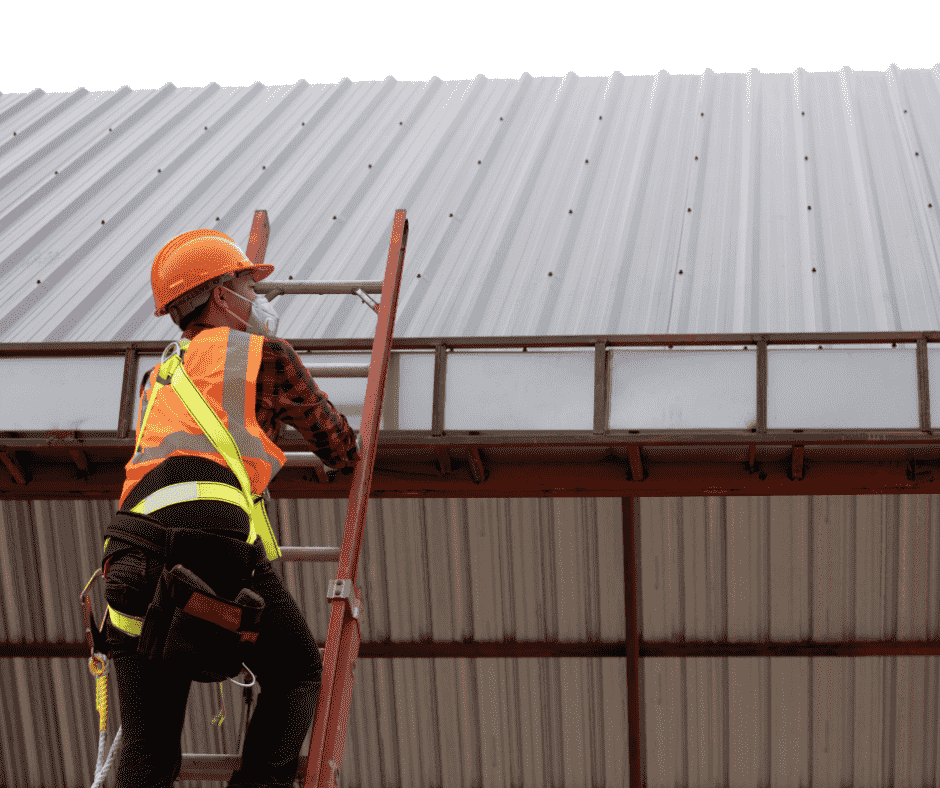
If roof access is necessary, individuals should walk carefully on the flat portions of the panels rather than the raised seams. Many homeowners prefer to leave roof inspections and repairs to trained roofing professionals who understand safe walking patterns.
Apply Protective Roof Coatings
Protective roof coatings are commonly used to extend the lifespan of metal roofing systems. Elastomeric coatings and silicone roof coatings help seal small cracks, prevent rust formation, and restore the reflective properties of the roof surface.
These coatings also create an additional waterproof barrier that improves resistance to UV exposure, rain, and temperature fluctuations.
Many property owners apply protective coatings every 10 to 15 years to preserve roof performance and extend the life of their metal roofing system.
DIY Metal Roof Maintenance: What Homeowners Can Safely Do
Some metal roof maintenance tasks can be handled by property owners, while others should be performed by experienced roofing professionals.
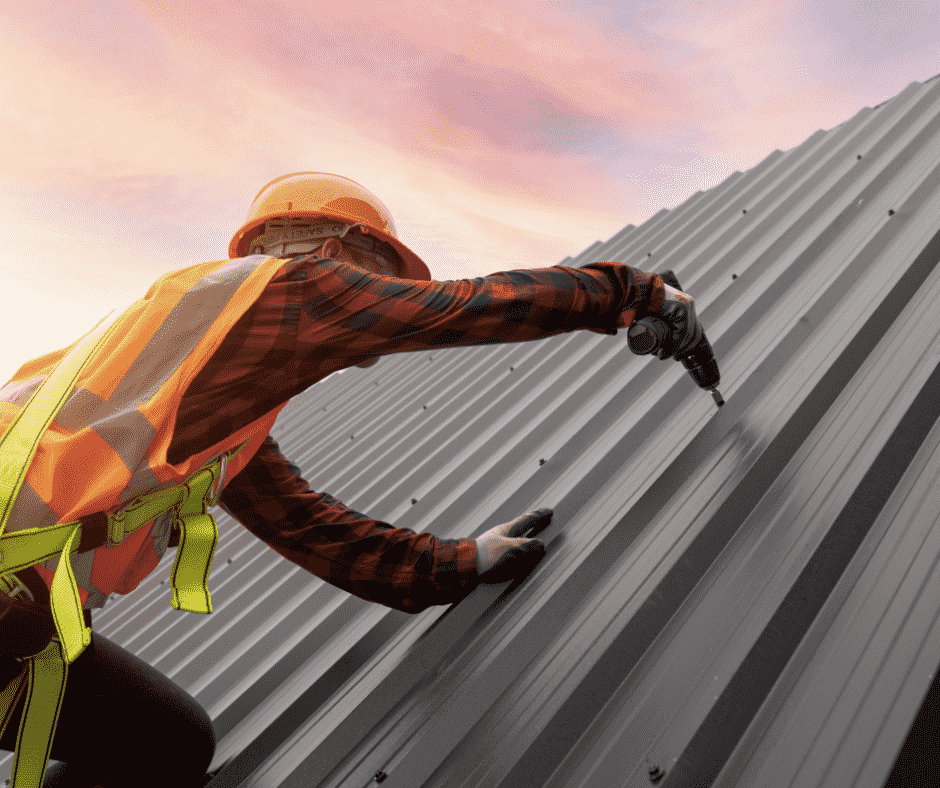
Homeowners can safely clean gutters, remove debris from roof valleys, and tighten a few loose fasteners when proper safety precautions are taken. Touching up small scratches with protective paint can also help prevent corrosion.
However, many roof problems occur when homeowners attempt improper repairs. Using the wrong type of screw, applying household caulk instead of roofing sealant, or over-tightening fasteners can create new leaks. Walking heavily on metal panels or stepping on roof seams can also cause structural damage.
For more complex maintenance tasks such as resealing roof seams, replacing flashing, or repairing leaks, it is usually best to contact licensed roofing contractors.
Key Benefits of Routine Metal Roof Maintenance
Routine metal roof maintenance offers several advantages for both residential and commercial property owners. Regular inspections and preventative care help keep the roofing system strong, watertight, and performing efficiently for many years.
- Prevents roof leaks before they start: Regular metal roof inspections help identify loose fasteners, worn sealant, damaged flashing, and small gaps before they allow water intrusion that could lead to costly interior damage.
- Protects against rust and corrosion: Cleaning debris, checking protective coatings, and repairing scratches help prevent moisture from sitting on metal panels and causing oxidation or corrosion.
- Improves energy efficiency: Maintaining a clean roof surface and protective reflective coatings helps metal roofing systems reflect sunlight more effectively, which can lower indoor temperatures and reduce cooling costs.
- Improves energy efficiency: Maintaining a clean roof surface and protective reflective coatings helps metal roofing systems reflect sunlight more effectively, which can lower indoor temperatures and reduce cooling costs.
- Enhances curb appeal: A well-maintained metal roof keeps its original finish, color, and appearance, helping the entire property look cleaner, newer, and more professionally maintained.
- Increases property value: Properly maintained roofing systems are attractive to potential buyers, tenants, and investors because they indicate the building has been cared for and is less likely to require major repairs.
- Extends the lifespan of the roofing system: Routine maintenance helps metal roofs reach their full life expectancy by preventing minor issues from developing into structural problems that could shorten the roof’s lifespan.
When to Call a Professional Roofer
While basic cleaning and inspections may be handled by homeowners, certain warning signs indicate that professional roofing services are required.
Property owners should contact CPS Construction Services if they notice water stains on ceilings or walls, persistent leaks during storms, large rust patches, missing flashing, loose panels, or punctured metal roofing sections.
Professional roofing contractors have the tools, training, and safety equipment necessary to diagnose roofing problems accurately and perform repairs without causing additional damage.
Metal Roof Maintenance Costs vs Major Repairs
Preventative metal roof maintenance is far more affordable than dealing with major roof repairs or premature roof replacement. Addressing small issues early helps property owners avoid expensive structural damage and extend the lifespan of their metal roofing system.
- Annual metal roof inspections: Depending on roof size, accessibility, and the scope of the inspection.
- Preventative maintenance and minor repairs: Tasks such as resealing seams, replacing loose fasteners, repairing flashing, or fixing small leaks may cost $75 to $1,200 per year.
- Protective roof coatings: Applying elastomeric or silicone roof coatings usually costs $1,500 to $7,000, and these coatings often last 10 to 15 years before reapplication is needed.
- Major roof repairs or premature replacement: Ignoring maintenance can lead to severe corrosion, structural damage, and widespread leaks. Full metal roof replacement may cost $7,500 to $40,000 or more, depending on roof size, materials, and labor.
Regular maintenance and routine inspections remain the most cost-effective way to protect a residential or commercial metal roofing system and avoid expensive roofing emergencies.
Final Thoughts
A metal roof is one of the most valuable long-term investments a property owner can make. With proper maintenance and regular inspections, metal roofing systems can perform reliably for several decades while protecting buildings from water damage, rust, and structural deterioration.
Simple preventative maintenance tasks such as cleaning gutters, inspecting sealant, tightening fasteners, and scheduling professional inspections can significantly extend the lifespan of the roof.
CPS Construction Services provides professional metal roof maintenance, metal roof leak repair, roof inspections, and protective roof coating services for residential and commercial properties. Our experienced roofing contractors help property owners prevent costly repairs and keep their roofs performing at their best.
If you want to protect your investment and ensure your roof remains durable, watertight, and rust-free, contact CPS Construction Services today to schedule a professional metal roof inspection and consultation.
FAQs
Most roofing professionals recommend scheduling a metal roof inspection at least once per year, along with an additional inspection after major storms, hail, or high wind events. Regular inspections help identify early signs of loose roof fasteners, failing roof sealant, damaged flashing, or small rust spots before they develop into roof leaks or structural damage. Preventative roof maintenance and annual inspections are one of the most effective ways to extend the lifespan of a metal roofing system.
Metal roof leaks are usually caused by loose or missing fasteners, deteriorated roof sealant, damaged flashing around roof penetrations, or clogged drainage systems. Expansion and contraction from temperature changes can also cause screws to loosen over time. During routine roof inspections, roofing contractors check roof seams, flashing around vents and chimneys, and metal roofing panels to detect small openings that could allow water intrusion.
Preventing rust on a metal roof starts with routine roof cleaning and regular roof inspections. Property owners should remove leaves, branches, and debris that trap moisture against the roof surface. Small rust spots should be sanded down and treated with metal primer and protective roof paint. Applying elastomeric roof coatings or silicone roof coatings every 10 to 15 years also provides an additional corrosion-resistant barrier that helps protect the metal roofing system.
Most roofing-grade sealants used on metal roofing systems last between five and ten years, depending on weather exposure and installation quality. Over time, UV radiation and temperature changes cause sealant to dry out or crack. During routine metal roof maintenance, roofing contractors inspect sealant around roof penetrations such as skylights, plumbing vents, HVAC units, and flashing connections to ensure the roof remains watertight.
A properly installed and well-maintained metal roof can last 40 to 70 years, depending on the roofing material and climate conditions. Premium materials such as copper, zinc, and standing seam metal roofing systems may last even longer. Routine roof inspections, fastener replacement, sealant maintenance, and corrosion protection all play a major role in maximizing the lifespan of metal roofing systems.
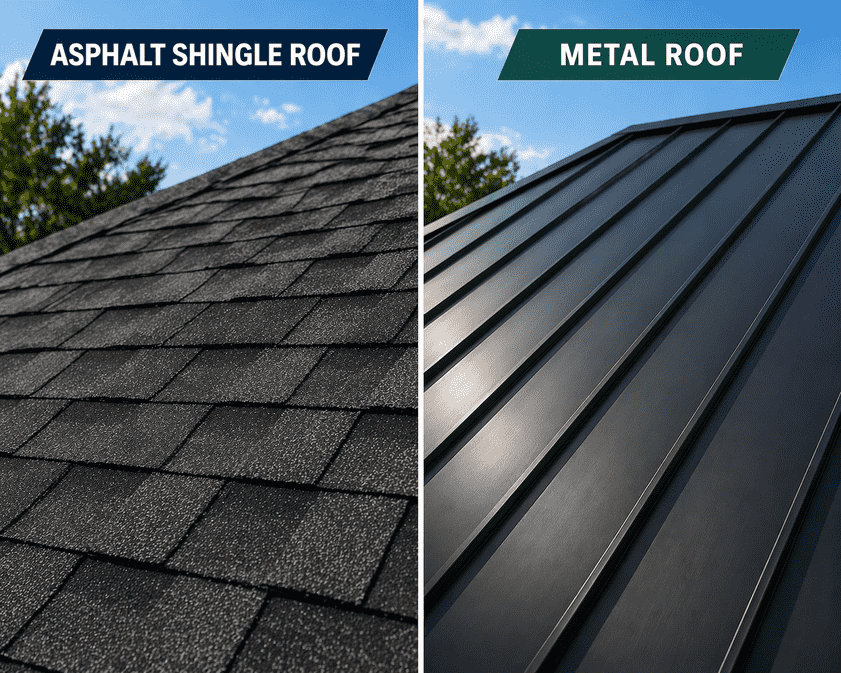
Metal roofs generally require less maintenance than asphalt shingles or wood shake roofing, but they still require periodic inspection and preventative care. Because metal roofing systems rely on fasteners, seams, flashing, and sealants to remain watertight, these components must be checked regularly. With proper maintenance, metal roofing systems offer one of the longest lifespans and highest durability ratings in the roofing industry.
Metal roof maintenance costs vary depending on roof size and service needs. Annual roof inspections typically cost between $100 and $400, while preventative maintenance such as resealing seams or replacing fasteners may range from $75 to $1,200 per year. Professional roof coatings applied every 10 to 15 years may cost between $1,500 and $7,000. These maintenance costs are significantly lower than the expense of major roof repairs or full roof replacement.