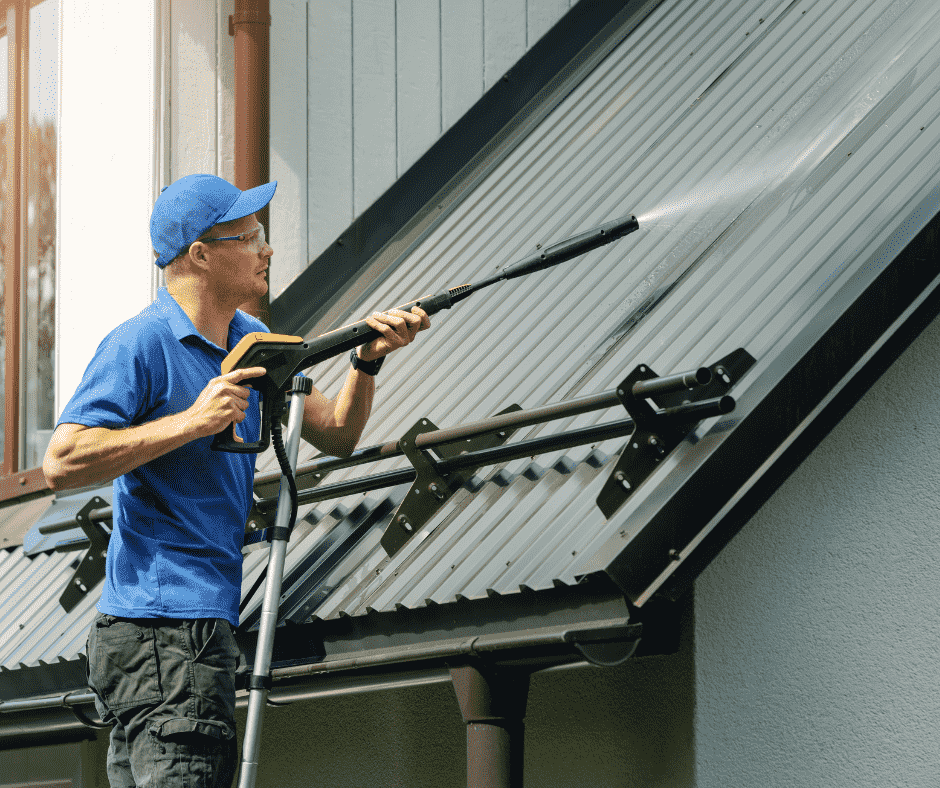
Choosing between a metal roof and an asphalt shingle roof is one of the most important decisions you will make for your home or commercial property. This is not just about appearance. It directly affects your long term costs, maintenance, energy efficiency, and how well your roof holds up during storms.
Most homeowners start with one simple question. Which roof is better?
The real answer depends on how long you plan to stay in your home, your budget, and how your roof performs in your local climate. In areas like North Carolina, where heavy rain, humidity, and seasonal storms are common, roofing performance matters just as much as cost.
At CPS Construction Services, we install and repair both metal roofing systems and asphalt shingle roofs. This guide breaks down the real differences so you can make a confident decision.
Metal Roofing vs Shingles: Quick Comparison
Feature | Metal Roof | Shingle Roof |
Lifespan | 40 to 70+ years | 15 to 30 years |
Cost | Higher upfront | Lower upfront |
Maintenance | Low | Moderate to high |
Energy Efficiency | High | Moderate |
Storm Resistance | Excellent | Good |
Repair Ease | Moderate | Easy |
Long-Term Value | High | Moderate |
What Is a Metal Roofing System?
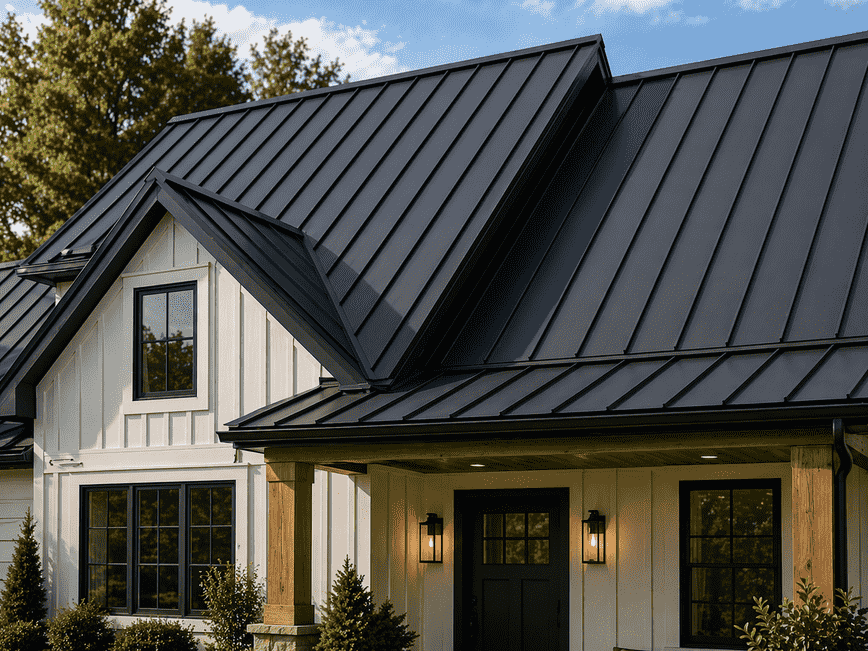
Metal roofing includes standing seam metal roofs, exposed fastener panels, and metal shingles made from steel, aluminum, or copper. These systems are designed for durability and long term performance.
Key Advantages of Metal Roofing
- Long lifespan with minimal degradation
- Strong resistance to wind, hail, and fire
- Reflective surface reduces heat absorption
- Lower long term maintenance costs
- Often recyclable and environmentally friendly
Limitations to Consider
- Higher upfront installation cost
- Requires experienced installers
- Can dent depending on material type
- Improper installation leads to fastener or seam issues
What Is an Asphalt Shingle Roof?
Asphalt shingles are the most common residential roofing system. They are made from fiberglass or organic mats coated with asphalt and granules.
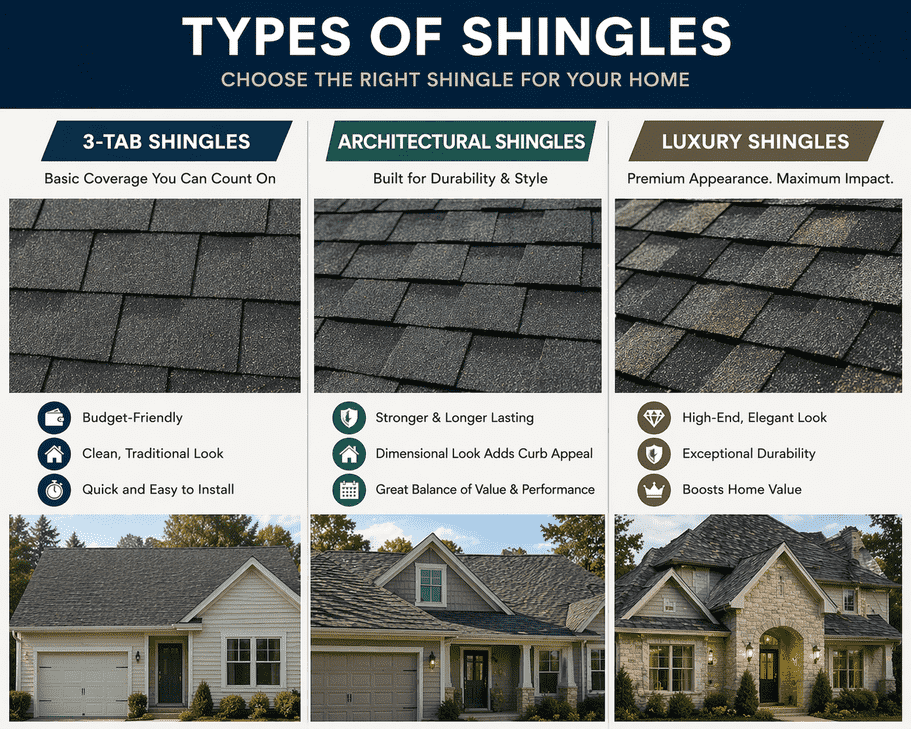
Types of Shingles
- 3-tab shingles for basic coverage
- Architectural shingles for durability and design
- Luxury shingles for premium appearance
Key Advantages of Shingle Roofing
- Lower upfront cost
- Faster installation
- Easier and cheaper repairs
- Widely accepted in most neighborhoods
Limitations to Consider
- Shorter lifespan
- More vulnerable to storm damage
- Requires more maintenance over time
- Less energy efficient
Cost Comparison: What You Will Actually Pay
Typical Roof Cost Ranges
- Shingle roof: $8,000 to $18,000
- Metal roof: $20,000 to $70,000+
Cost Per Square Foot
- Shingles: $4 to $9 per sq ft
- Metal roofing: $10 to $30+ per sq ft
What Impacts Cost
- Roof size and pitch
- Material type
- Labor and installation complexity
- Removal of existing roof
- Structural repairs
Long Term Cost Comparison
This is where most homeowners make the wrong decision.
20 to 30 Year Cost Example
Shingle Roof:
- Initial install: $12,000
- Replacement after 20 to 25 years: $12,000+
- Repairs over time: $2,000+
- Total: $26,000+
Metal Roof:
- Initial install: $25,000
- Minimal repairs
- No replacement needed
- Total: $25,000
Key Takeaway
Metal roofing costs more upfront but often matches or beats shingles in long term value.
Lifespan and Durability
Metal Roof
- 40 to 70+ years
- Handles high winds and heavy rain
- Resistant to fire and rot
Shingle Roof
- 15 to 30 years
- More vulnerable to wind damage
- Can degrade from moisture and UV exposure
If you plan to stay in your home long term, this alone can justify metal roofing.
Energy Efficiency and Performance
Metal Roofing
- Reflects solar heat
- Reduces cooling costs
- Helps stabilize indoor temperature
Shingle Roofing
- Absorbs heat
- Increases attic temperature
- Raises cooling demand
In hot climates, metal roofing can noticeably reduce energy bills.
Maintenance and Repairs
Metal Roof Maintenance
- Occasional inspections
- Checking fasteners and seams
- Cleaning debris
Shingle Roof Maintenance
- Replacing missing shingles
- Fixing leaks
- Addressing algae or moisture issues
Shingle roofs require more frequent attention, especially after storms.
Weather Resistance in Real Conditions
In areas like North Carolina:
Metal Roof Performance
- Handles strong storms better
- Sheds water quickly
- Resists wind uplift
Shingle Roof Performance
- Performs well but may lose shingles in storms
- Can develop leaks if flashing fails
- Requires post-storm inspection
Which Roof Is Best for Your Situation?
Choose Metal Roofing If
- You plan to stay in your home 15 to 30 years or longer
- You want lower maintenance long term
- Your area gets heavy storms or wind
- You want better energy efficiency
- You prefer a long-term investment
Choose Shingle Roofing If
- You need a lower upfront cost
- You may sell your home within 5 to 10 years
- You want easier repairs
- Your neighborhood favors traditional roofing
Common Mistakes Homeowners Make
- Choosing based on price only
- Ignoring long term replacement costs
- Hiring inexperienced roofing contractors
- Skipping roof inspections before replacing
- Not considering local weather conditions
Why Homeowners Trust CPS Construction Services
At CPS Construction Services, we do not push one roofing system over another. We focus on what works best for your home, your budget, and your long term plans.
- Licensed and insured roofing contractors
- Residential and commercial roofing expertise
- Metal roofing installation and repair
- Shingle roof replacement and maintenance
- Local experience with North Carolina weather
We help you make the right decision, not the easy one.
Final Thoughts
There is no universal answer to the metal roof vs shingle roof debate. The right choice depends on your priorities.
If you want lower upfront cost and simplicity, shingles are a solid option. If you want durability, efficiency, and long term savings, metal roofing is often the better investment.
The key is making the decision based on real numbers and real conditions, not just initial price.
If you are considering a roof replacement, CPS Construction Services can walk you through your options and provide a clear recommendation based on your property.
FAQs: Metal Roof vs Shingle Roof
The biggest difference is lifespan and long-term performance. Metal roofing systems can last 40 to 70 years with minimal maintenance, while asphalt shingle roofs typically last 15 to 30 years and require more frequent repairs and replacement.
Shingle roofs cost less upfront, but may need replacement once or twice over 30 years. Metal roofing has a higher initial cost but often results in lower lifetime cost due to durability and reduced maintenance.
Metal roofing requires less maintenance overall. Asphalt shingles need more frequent inspections, repairs, and replacement of damaged shingles, especially after storms or in humid climates.
Metal roof issues usually involve loose fasteners, seam separation, or improper installation. Shingle roof problems often include missing shingles, granule loss, water intrusion, and algae or mold growth.
In some cases, a metal roof can be installed over an existing shingle roof if the structure is sound and local building codes allow it. This can reduce labor costs and disposal fees, but a full inspection is required first.
Installation quality is critical for both systems. Poorly installed metal roofs can leak at seams or fasteners, while improperly installed shingles can lead to early failure and water damage. Hiring experienced roofing contractors is essential.
The best choice depends on your budget, how long you plan to stay in your home, and your local climate. Metal roofing is ideal for long-term performance and durability, while shingles are better for lower upfront cost and shorter-term ownership.