Worn Siding Can Affect More Than Your Home's Appearance.
Faded, cracked, warped, or damaged siding can make a well-maintained home look neglected and may raise questions about moisture, maintenance, and the condition of the exterior underneath.
Replacing deteriorated siding can improve curb appeal, strengthen the home's exterior, reduce visible maintenance concerns, and potentially improve resale value.
The return is not guaranteed. Siding material, installation quality, property condition, neighborhood, and the local housing market all influence how much value a replacement project may add.
Does New Siding Increase Home Value?
Yes. Replacing outdated or damaged siding can increase a home's perceived and resale value by improving curb appeal, correcting visible exterior deterioration, and reducing maintenance concerns for future buyers.
Estimated cost recouped in the South Atlantic region.
Estimated recoup for fiber-cement siding replacement.
These 2025 Cost vs. Value figures are regional and market estimates, not guaranteed returns for an individual home. They do show that siding replacement can carry meaningful resale value when the project addresses a genuine exterior need.
Why Siding Can Affect Your Home's Value
Buyers often form an opinion about a home before they walk through the front door. Because siding covers so much of the exterior, its condition can strongly influence that first impression.
New siding can refresh an aging exterior while replacing cracked, faded, warped, loose, or deteriorated materials.
- Improve curb appeal
- Refresh an aging exterior
- Reduce visible maintenance concerns
- Replace damaged or deteriorated siding
- Improve appearance in listing photos
- Strengthen buyer confidence
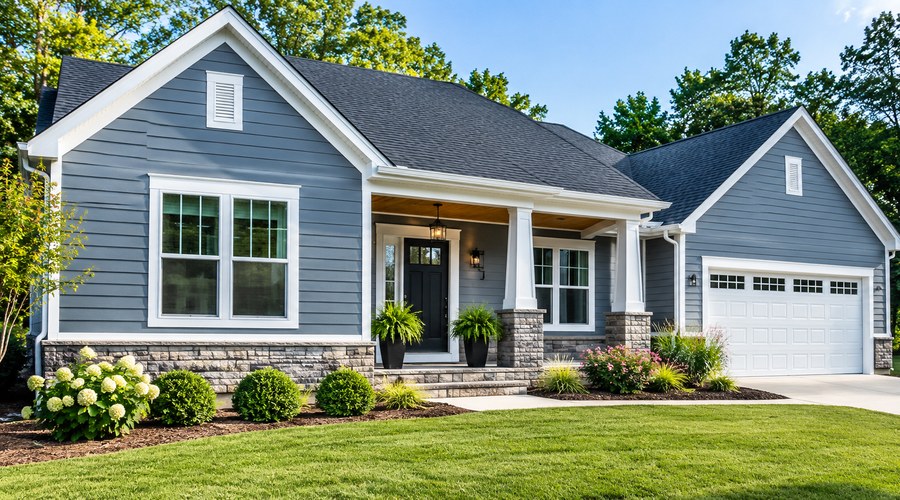
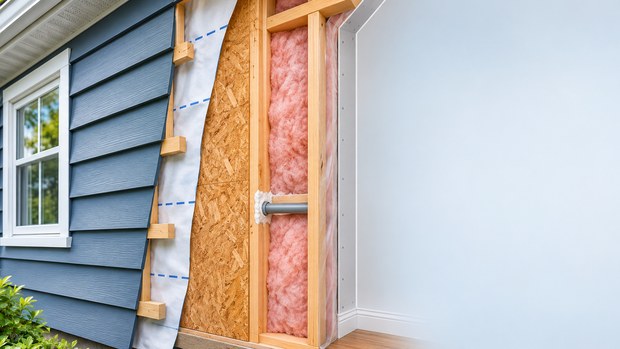
Siding can improve appearance while also helping protect the exterior wall assembly when the system is properly installed.
How Much Value Can New Siding Add?
There is no guaranteed dollar-for-dollar return, but recent remodeling benchmarks show that siding replacement can recover a substantial portion of project cost at resale.
These are 2025 benchmark estimates based on standardized remodeling projects. Actual siding costs and resale value can vary by home, material, installation, neighborhood, and market conditions.
Replacement tends to make more sense when:
- The existing siding is visibly worn or damaged
- Repairs are becoming frequent
- The exterior looks noticeably dated
- Moisture or deterioration is affecting the siding system
- The project improves both appearance and exterior performance
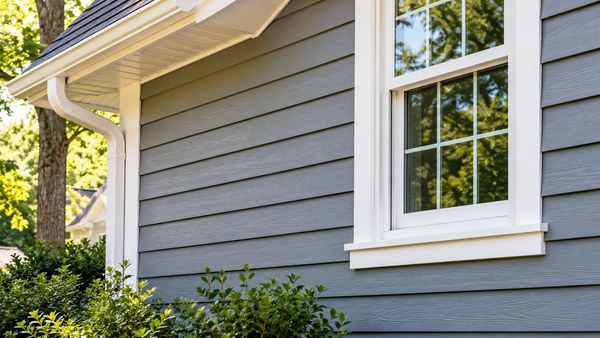
Siding replacement is most financially defensible when it solves a real exterior problem while also improving curb appeal, condition, and long-term performance.
Why New Siding Can Improve Curb Appeal
Buyers often judge the condition of a home before they ever step inside. Faded, cracked, stained, or loose siding can make the entire property appear less maintained.
A clean, consistent exterior can create a stronger first impression and make the home look more cared for in person and in listing photos.
- Improve first impressions
- Strengthen listing photos
- Reduce visible maintenance concerns
- Make an older home feel more updated
- Help buyers feel more confident about exterior condition
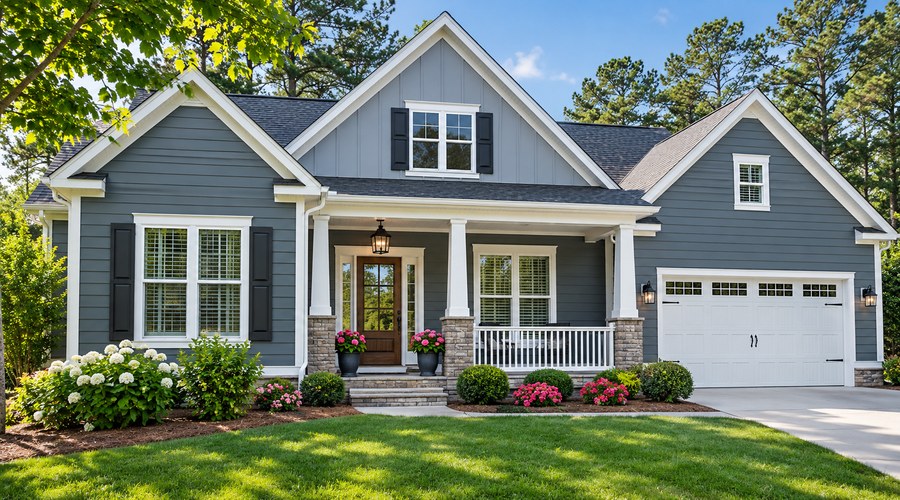
New siding does not guarantee a sale, but it can remove an obvious exterior objection before buyers begin evaluating the rest of the home.
Siding Also Helps Protect the Home's Exterior
Siding is more than a finish. It is part of the exterior wall system that helps protect the home from rain, wind, sunlight, insects, humidity, and seasonal temperature changes.
In North Carolina, damaged siding can become more important because homes may face intense summer heat, heavy rain, humidity, thunderstorms, and changing seasonal conditions.
Signs the siding system may need attention:
- Cracked, broken, or loose siding
- Warping or buckling
- Rot or deteriorated materials
- Water staining or mildew
- Gaps around windows, doors, or penetrations
- Soft or damaged sheathing underneath
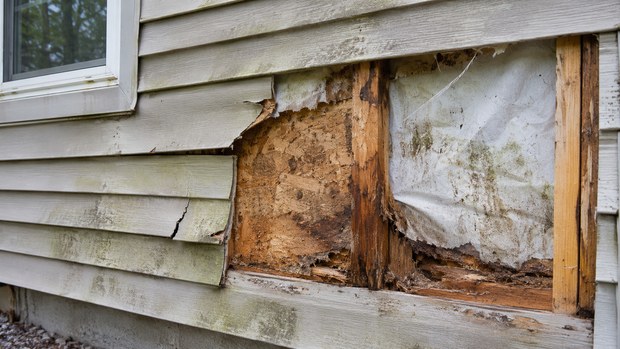
New siding should not simply cover hidden damage. If removal exposes rotted sheathing, damaged house wrap, failed flashing, moisture intrusion, or structural deterioration, those problems should be corrected before the new siding system is completed.
Can New Siding Make a Home Easier to Sell?
It can make the property easier to present by removing visible exterior problems that buyers may otherwise factor into their offer.
Damaged siding can raise immediate questions about replacement cost, water damage, and future repairs. Correcting those issues before listing can reduce uncertainty and improve how buyers perceive the home.
- How much will this siding cost to replace?
- Is there water damage underneath?
- Will this need to be repaired immediately?
Well-maintained siding will not guarantee a faster sale, but it can reduce obvious maintenance objections and help the exterior compete more effectively for buyer attention.
Should You Replace Siding Before Selling Your Home?
Not every home needs complete siding replacement before going on the market. The condition and extent of the damage should drive the decision.
- Large areas are cracked, warped, loose, or severely faded
- Wood siding has widespread rot
- Moisture damage is present
- Previous repairs are highly visible
- The exterior significantly hurts curb appeal
- The siding is near the end of its useful life
- Damage is limited to a small area
- Most siding remains in good condition
- Replacement material can be matched
- There is no widespread moisture damage
- Full replacement would add little practical benefit
If the siding still performs well and looks presentable, replacing it solely for resale may not be necessary.
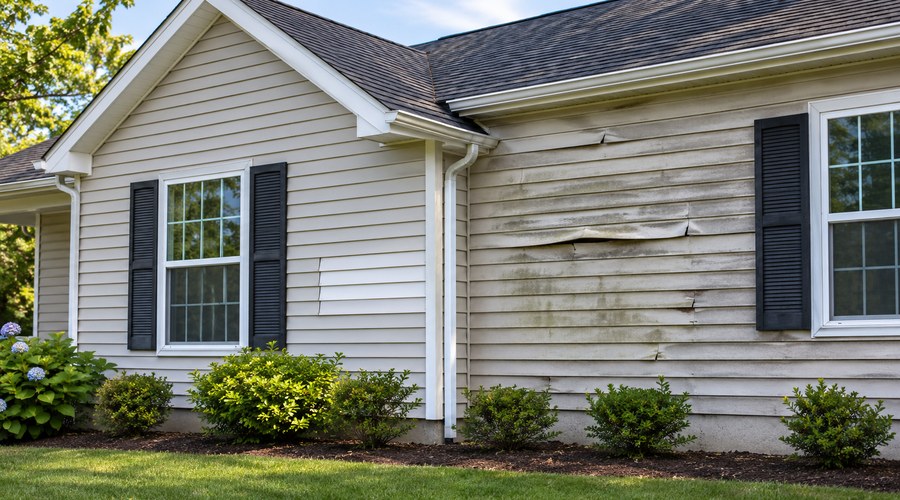
Vinyl Siding vs. Fiber Cement
Both materials can improve curb appeal, but they serve different priorities for cost, maintenance, appearance, and durability.
- Low routine maintenance
- Wide range of colors and styles
- No routine exterior painting
- Competitive installation cost
Estimated 2025 cost recovery in the South Atlantic region.
- Durable exterior finish
- Wood-like appearance
- Multiple profiles and textures
- Resistance to rot compared with traditional wood
The better choice depends on your budget, architecture, maintenance expectations, neighborhood, and existing exterior condition.
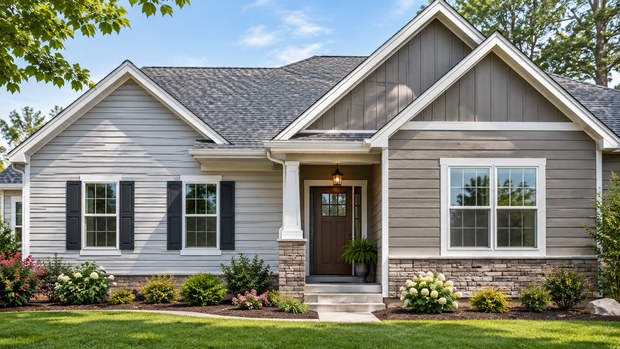
What About Engineered Wood, Composite, and Other Siding?
Homeowners are not limited to vinyl and fiber cement. The right siding should complement the home while balancing durability, maintenance, appearance, and budget.
- Engineered wood siding
- Composite siding
- Metal siding
- Traditional wood siding
- Board and batten
- Shake-style siding
- Vertical siding
- Lap siding
Do not choose siding based on resale percentages alone. The material should fit the architecture and expectations of the property.
Can Siding Improve Energy Efficiency?
Siding replacement can create an opportunity to improve the exterior wall system, but siding alone is not automatically an energy-efficiency upgrade.
Once old siding is removed, hidden conditions may become visible and can be corrected before the new exterior is installed.
- Damaged exterior sheathing
- Gaps around wall penetrations
- Missing or damaged weather barriers
- Areas needing additional air sealing
- Deteriorated insulation or wall components
Home energy performance depends on the complete wall assembly, including insulation, air sealing, weather barriers, windows, doors, and installation details.
Signs Your Siding May Be Hurting Your Home's Value
Siding does not need to be failing completely before it affects curb appeal or raises concerns about maintenance.
Heavy fading can make the exterior appear older and less maintained.
Visible damage may expose parts of the wall system to weather.
Panels that no longer sit flat may indicate movement, moisture, or installation problems.
Soft or deteriorated wood should be inspected because damage may extend below the surface.
Repeated painting, patching, or repairs may make replacement more practical long term.
Persistent staining or moisture deserves investigation before additional damage develops.
Mismatched panels and patchwork repairs can reduce curb appeal even when the siding still functions.
What Determines the ROI of Siding Replacement?
The return from new siding depends on more than the material itself. The starting condition of the home and quality of the finished project can have a major influence on value.
- Condition Before Replacement Replacing badly deteriorated siding usually creates a greater improvement than replacing siding that still looks good.
- Material Choice Vinyl, fiber cement, engineered wood, and other products have different costs, maintenance needs, and buyer appeal.
- Installation Quality Poor installation can undermine the performance and appearance of even a premium siding product.
- Neighborhood Expectations The project should generally fit the style and value range of surrounding homes.
- Color and Design Broadly appealing colors and siding profiles may have wider resale appeal than highly personalized choices.
- Local Housing Conditions Buyer demand, inventory, location, property condition, financing conditions, and the broader market can affect resale value.
- Related Exterior Repairs Correcting damaged trim, flashing, sheathing, or moisture problems can increase the practical value of the project.
Is New Siding Worth It If You Are Not Selling Soon?
Resale value is only part of the return. Homeowners who plan to stay can benefit from the improvement for years before the property is eventually sold.
- Refresh the appearance of the home
- Reduce visible deterioration
- Lower maintenance needs with some materials
- Improve protection of the exterior wall system
- Repair hidden exterior damage discovered during replacement
- Improve day-to-day enjoyment of the property
Siding ROI is not limited to the eventual sale price. Homeowners also receive years of use, improved appearance, and exterior protection.
Is Siding Replacement a Good Investment?
For many North Carolina homes, it can be, especially when the existing siding is aging, damaged, unattractive, or requiring frequent maintenance.
The existing siding genuinely needs attention.
The replacement noticeably improves curb appeal.
The project protects or restores the exterior wall system.
Estimated 2025 cost recovery in the South Atlantic region.
These percentages are regional market benchmarks, not guaranteed returns. Actual value depends on the home, project cost, material, installation, neighborhood, and market conditions.
Which siding solution makes sense for this home, in its current condition, in this neighborhood, and within this budget?
That approach is more useful than choosing a siding material based on ROI percentages alone.
Planning a Siding Project in North Carolina?
If your siding is cracked, faded, warped, damaged, or simply no longer fits the look you want for your home, a professional inspection can help determine whether repair or replacement makes more sense.
CPS Construction Services provides siding installation, siding repair, siding replacement, and other residential construction services for homeowners across North Carolina and surrounding service areas.
Our team can evaluate the condition of your current exterior and help you choose a siding solution that balances appearance, protection, durability, and budget.
If your siding is showing signs of age or damage, getting a professional assessment can help you understand whether targeted repairs or a full siding replacement offers the better long-term value.
Contact CPS Construction Services to discuss your project and request a siding quote.
- Siding and Home Value
Frequently Asked Questions
Yes. Partial siding replacement can make sense when damage is limited to one elevation and the existing material can be matched closely. However, differences in age, fading, profile, or discontinued siding colors can make the repaired area noticeable, so a siding contractor should compare the existing material before recommending partial replacement.
Rotten or deteriorated sheathing should be repaired before new siding is installed. Simply covering damaged wood can leave moisture problems inside the exterior wall system and may shorten the life of the new siding. During siding replacement, contractors should also check nearby flashing, house wrap, trim, and other areas that may have allowed water intrusion.
Both can work well in North Carolina when installed correctly. Vinyl siding is popular for its relatively low maintenance and broad range of styles, while fiber cement offers a heavier, more rigid exterior with a wood-like appearance and resistance to rot. The better choice depends on budget, architecture, maintenance expectations, exposure to weather, and the condition of the existing exterior.
Fading and minor surface wear may be mostly cosmetic, while soft materials, swelling, rot, recurring stains, mold growth, peeling finishes, or damaged sheathing can indicate moisture intrusion. Water problems may also originate from flashing, windows, roofing transitions, gutters, or penetrations rather than the siding itself. Persistent moisture should be investigated before repairs are covered with new material.
Repair is usually more practical when damage is isolated and the surrounding siding remains structurally sound and visually consistent. Full siding replacement becomes more reasonable when problems are widespread, repairs no longer match, moisture damage affects multiple areas, or continued maintenance is becoming expensive. The decision should be based on the condition of the entire siding system rather than one damaged panel.
Look for consistent panel alignment, secure trim, clean transitions around windows and doors, properly finished corners, and appropriate clearances where siding meets roofs, decks, masonry, or the ground. Also confirm that penetrations and flashing details were completed correctly and that damaged materials discovered during removal were repaired. A final walkthrough gives homeowners an opportunity to address workmanship concerns before the project is closed.