A small gutter problem can turn into expensive water damage once fall leaves and heavier rain arrive. Clogged downspouts, loose gutters, leaks, or poor drainage can send water toward your roof, fascia, siding, landscaping, and foundation.
For North Carolina homeowners, early fall is the right time to inspect and clean the entire gutter system before peak leaf drop. A little preparation now can help prevent overflow, drainage problems, and unnecessary repairs later.

How Should You Prepare Gutters for Fall?
To prepare gutters for fall, remove leaves and debris, clear downspouts, check gutter slope, tighten loose sections, repair leaks, inspect fascia and soffits, and confirm that downspouts carry water safely away from the foundation. Homes surrounded by trees may need another cleaning after the main leaf drop.
Gutter guards can reduce debris buildup, but they do not eliminate the need for inspection and maintenance.
Why Fall Gutter Maintenance Matters in North Carolina
Fall can put extra stress on gutters across North Carolina. Leaves, pine needles, twigs, and acorns can build up for weeks, while heavy rain and late-season storms can quickly overwhelm a partially clogged system.
Overflowing Gutters Can Affect:
- Roof edges and decking
- Fascia and soffits
- Siding and exterior trim
- Foundations
- Crawl spaces or basements
- Landscaping and walkways
Preparing your gutters before peak leaf drop helps prevent drainage problems and gives you time to repair clogs, leaks, or loose sections before heavier fall weather arrives.
Start With a Complete Gutter Cleaning
A fall gutter cleaning should remove more than visible leaves. Pine needles, acorns, twigs, shingle granules, and wet debris can collect around outlets and downspouts, slowing water flow and causing overflow.
Make Sure You Clear:
- Inside corners
- Downspout openings
- Roof valleys
- Areas beneath overhanging trees
- Sections around gutter guards
- Downspout elbows
Homes surrounded by trees may need another inspection or cleaning after peak leaf drop to keep gutters and downspouts flowing properly.
Do Not Forget the Downspouts
A gutter can look perfectly clean and still overflow if the downspout is blocked. Leaves, pine needles, twigs, and roof debris can collect inside downspout elbows where they are difficult to see.
Signs of a Clogged Downspout:
- Slow gutter drainage
- Water backing up near the outlet
- Overflow around the downspout opening
- Very little water exiting below
- Standing water inside the gutter
- Debris packed inside elbows
After cleaning, run water through each gutter section to make sure it reaches the downspout and exits freely.
Downspouts should not discharge large amounts of roof runoff directly beside the house. Extensions or properly designed drainage should carry water away from the foundation instead of allowing it to pool against the structure.
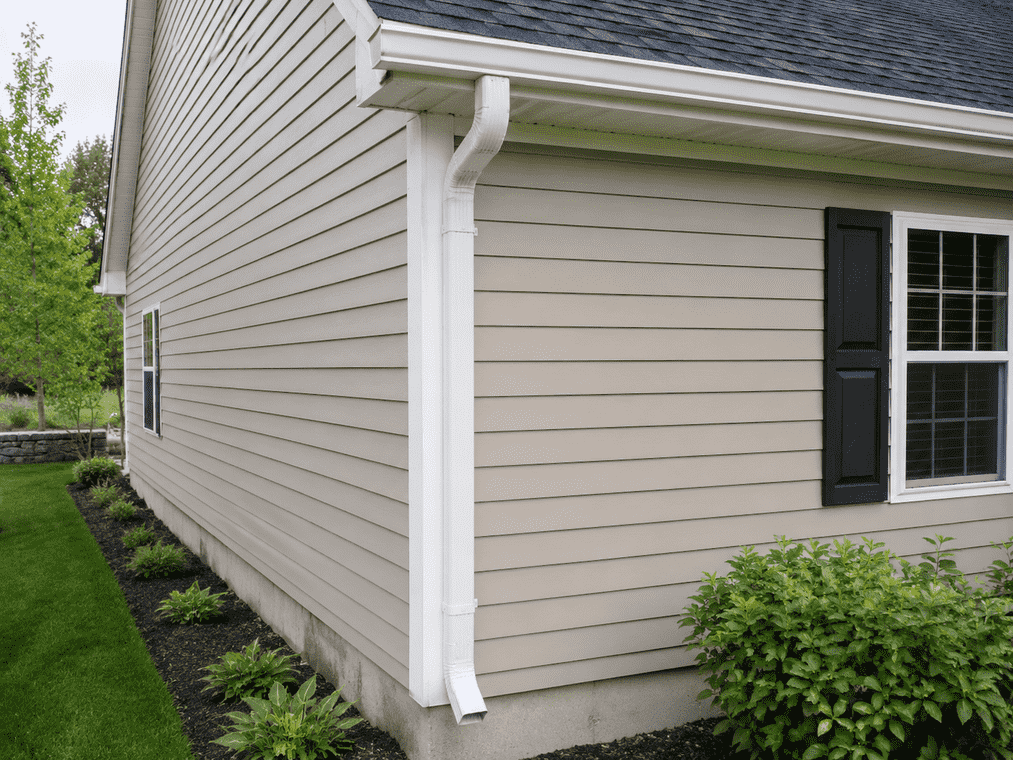
Check for Sagging or Improper Gutter Slope
Gutters need a slight slope toward the downspouts so water can drain properly. When sections begin sagging or pulling away from the fascia, water can collect in low spots instead of moving through the system.
Standing water, wet leaves, and debris add extra weight, which can place more stress on gutter hangers, fasteners, and fascia boards.
Signs of Poor Gutter Alignment:
- Water remaining after rainfall
- Visible dips along the gutter
- Gutters pulling away from the fascia
- Loose or missing hangers
- Uneven gutter sections
- Overflow in the same location
A loose section may only need to be secured or realigned. Gutters that are bent, badly distorted, or repeatedly sagging may need more extensive repair or replacement.
Repair Leaking Gutters Before Heavy Rain Arrives
Not every gutter problem starts with a clog. Water can also escape through damaged seams, holes, end caps, corners, or connections between gutter sections.
Even a small leak can repeatedly wet fascia, siding, trim, or landscaping and create moisture problems over time.
Check for:
- Dripping seams
- Cracked sealant
- Holes or corrosion
- Leaking end caps
- Water stains beneath joints
- Damp fascia behind the gutter
- Rust or deterioration around fasteners
Minor leaks can often be resealed or repaired. If several areas are leaking, the gutter is badly deteriorated, or previous repairs keep failing, replacing the affected section may provide better long-term reliability.
Make Sure Your Gutters Are Large Enough for the Roof
Sometimes gutters overflow even when they are clean. In that case, the issue may be capacity rather than debris.
Roof area, roof pitch, gutter size, downspout capacity, number of downspouts, and rainfall intensity all affect how much runoff the system can handle.
Signs Your Gutter System May Be Undersized:
- Overflow during heavy rain despite clean gutters
- Water shooting over gutter corners
- One downspout serving a very long gutter run
- Overflow beneath large roof valleys
- Fast-moving water overshooting the gutter
- Repeated erosion below the same roof section
Adding downspouts, improving drainage near roof valleys, or upgrading sections of the gutter system may work better than repeatedly cleaning gutters that cannot handle the volume of roof runoff.
Inspect the Fascia and Soffits While You Are There
Gutters are typically attached along the fascia, so the condition of the wood or exterior trim is an important part of gutter performance.
Overflowing or leaking gutters can repeatedly expose fascia and soffits to moisture, leading to staining, peeling paint, soft wood, or deterioration around the roof edge.
Watch for:
- Soft or swollen fascia
- Peeling or blistering paint
- Dark stains below gutters
- Damaged soffit panels
- Gaps between gutters and fascia
- Signs of previous water intrusion
Gutter fasteners need a solid surface. If the fascia is damaged or deteriorated, simply installing new hangers may not solve the problem, and the gutter may begin pulling away again.

Clogged Gutters Can Affect the Roof
Gutters sit along the lower edge of the roof, so poor drainage can affect more than landscaping and foundations. When leaves and debris block water flow, runoff can collect near the eaves or overflow where roof valleys meet the gutter.
Repeated moisture around the roof edge can put extra stress on fascia, flashing, drip edge, and nearby roofing materials.
Check These Areas During Fall Gutter Maintenance:
- Roof edges
- Drip edge
- Roof valleys
- Shingles near the eaves
- Flashing at roof intersections
- Debris on lower roof sections
Roof valleys collect runoff from multiple roof surfaces, so debris in these areas can quickly increase the amount of water reaching one section of the gutter. Keeping them clear helps water move into the drainage system more efficiently.
Overflowing Gutters Can Damage Siding
Water spilling over a clogged or undersized gutter may run directly down the siding or repeatedly splash against windows, trim, and exterior walls.
Over time, this can contribute to staining, algae growth, peeling finishes, deteriorated caulk, and moisture problems around exterior openings.
Watch for These Warning Signs:
- Water streaks beneath gutters
- Repeated splash marks on siding
- Wet siding after rainfall
- Peeling exterior finishes
- Algae or discoloration
- Deteriorated caulk around openings
If siding repeatedly gets wet after rain, the gutter may be clogged, leaking, improperly pitched, or unable to handle the runoff. Correcting the drainage problem is usually more effective than repeatedly cleaning or repainting the siding.
Protect the Foundation and Landscaping
Gutters do more than move water off the roof. Downspouts also need to carry that runoff far enough away from the home to prevent water from collecting near the foundation.
Poor drainage can saturate soil, wash out mulch, expose plant roots, and create erosion around walkways and landscaping.
Check Around Each Downspout for:
- Standing water
- Washed-out mulch
- Soil erosion
- Exposed plant roots
- Mud against the foundation
- Water crossing sidewalks
- Persistent damp areas
If runoff keeps returning toward the foundation, downspout extensions, underground drainage, grading improvements, or other drainage corrections may be needed.
Trim Overhanging Branches Before Peak Leaf Drop
Trees add shade and curb appeal, but branches hanging over the roof can send leaves, pine needles, twigs, and small debris directly into gutters and roof valleys.
Trimming problem branches before peak leaf drop can reduce buildup and make fall gutter maintenance easier.
Pay Attention to Branches That:
- Hang directly over the roof
- Rub against shingles
- Drop debris into roof valleys
- Collect leaves near gutter outlets
- Overhang downspouts or corners
- Could break during storms
Large limbs, branches near power lines, or difficult roof access should be handled by a qualified tree professional rather than treated as a simple DIY gutter task.
Are Gutter Guards Worth It for Fall Leaves?
Gutter guards can reduce the amount of leaves and larger debris entering the gutter, making them useful for homes surrounded by trees.
They do not make gutters maintenance-free. Pine needles, seeds, pollen, roof granules, and fine debris can still collect on or around the guard system and affect water flow.
Gutter Guards Can Help Reduce:
- Leaf buildup inside gutters
- Large debris entering downspouts
- Frequent gutter cleaning
- Debris collecting near gutter outlets
- Organic material settling in the trough
- Some seasonal maintenance
Gutter guards can make fall maintenance easier, but the system should still be inspected and cleaned when needed to keep water flowing properly.
A Practical Fall Gutter Checklist
Before peak leaf drop, inspect the entire gutter and drainage system. Check it again after heavy storms and once most leaves have fallen to catch new clogs or damage.
Your Fall Gutter Checklist:
- Remove leaves, pine needles, twigs, and roof debris
- Clear every downspout and elbow
- Flush gutters to confirm water flow
- Check gutter pitch and low spots
- Tighten loose hangers and fasteners
- Repair leaking seams or end caps
- Inspect fascia and soffits
- Check roof valleys and roof edges
- Confirm downspouts move water away from the home
- Look for soil erosion or pooling
- Trim troublesome overhanging branches
- Clean debris from gutter guards
- Recheck gutters after major storms
Completing these checks before peak fall weather gives you time to clear clogs, repair leaks, and correct drainage problems before they turn into overflowing gutters.

When Should Gutters Be Repaired or Replaced?
Cleaning can solve debris problems, but it will not fix damaged metal, failed seams, poor slope, weak attachments, or a gutter system that is too small for the roof.
Gutter Repair May Make Sense When:
- Only one seam is leaking
- A few hangers are loose
- One section has lost its slope
- A downspout connection is damaged
- The overall system is still in good condition
Gutter Replacement May Make More Sense When:
- Multiple sections are sagging
- Leaks occur throughout the system
- Gutters repeatedly pull away from the fascia
- Significant corrosion or deterioration is present
- Overflow continues even when gutters are clean
- The system cannot handle roof runoff
- Repairs are becoming frequent
A professional gutter evaluation can help determine whether a localized repair is enough or if replacing part or all of the system will provide better long-term drainage.
Prepare Your Gutters Before Fall Problems Start
The best time to deal with a gutter problem is before leaves, heavy rain, and storms expose it. Cleaning debris is important, but a complete fall inspection should also address sagging gutters, leaks, clogged downspouts, inadequate drainage, damaged fascia, and insufficient gutter capacity.
For homeowners in Shelby and surrounding North Carolina communities, preparing gutters before peak leaf drop can help protect the roof, fascia, siding, foundation, and landscaping through the wetter months ahead. CPS Construction Services can inspect your gutter system, identify problem areas, and recommend the right repair or replacement solution.
Contact CPS Construction Services today to schedule a gutter inspection and get your home ready for fall.
- Siding Replacement Service
Frequently Asked Questions
Common signs include water backing up near the gutter outlet, slow drainage, overflow during rain, or very little water exiting the bottom of the downspout. Flushing the system with water can help confirm whether the downspout and elbows are clear.
Clean gutters can still overflow if they have poor slope, sagging sections, undersized downspouts, insufficient capacity, or heavy runoff from a large or steep roof. Roof valleys can also concentrate more water into one section than the gutter can handle.
Downspouts should discharge far enough away that water continues moving away from the foundation instead of pooling beside it. The appropriate distance depends on grading, soil, drainage design, and whether the water is handled by a surface extension or underground drainage system.
Yes. Overflowing or leaking gutters can repeatedly wet the fascia behind and below the gutter. Persistent moisture may contribute to staining, peeling paint, softened wood, and deterioration that can also weaken the surface holding the gutter fasteners.
No. Gutter guards can reduce the amount of large debris entering the system, but fine material, pine needles, seeds, pollen, roof granules, and leaves can still accumulate. Guards and the gutters beneath them should still be inspected and cleaned when needed.
Sagging can result from loose hangers, damaged fascia, improper fastener spacing, standing water, or the weight of wet leaves and debris. The underlying cause should be corrected because simply pushing the gutter back into position may not prevent the problem from returning.


