Summer is over, temperatures are dropping, and you may have just noticed cracked, loose, warped, or aging siding.
The good news? You may not have to wait until spring. Fall can still be a great time for siding replacement when weather conditions are suitable.
Replacing damaged siding before winter also gives contractors a chance to uncover hidden issues like moisture damage, deteriorated sheathing, failed weather barriers, or air leaks before they get worse.
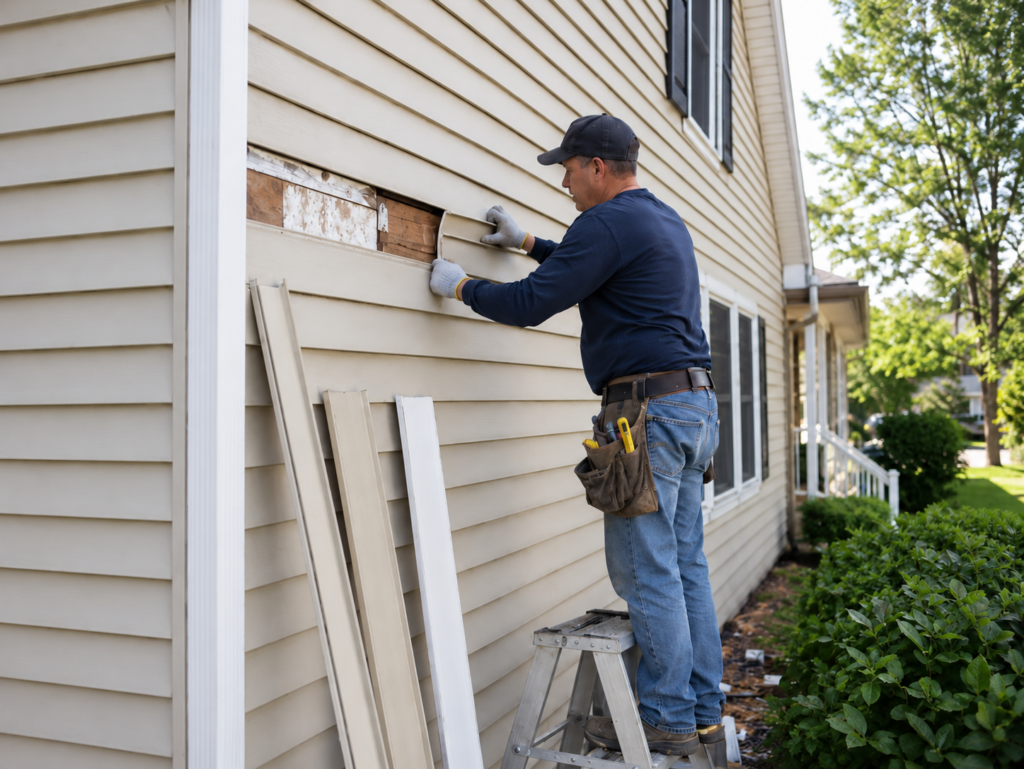
Can You Replace Siding in the Fall?
Yes, siding can be replaced in the fall. October can be a practical time for a siding project because temperatures are often more moderate than summer or winter, and replacing damaged siding before colder weather gives contractors an opportunity to inspect and correct moisture, flashing, weather barrier, and insulation problems. The right installation conditions depend on the siding material, temperature, rain, substrate condition, sealants, coatings, and manufacturer requirements.
In other words, there is no rule that siding installation has to stop when summer ends.
Professional siding installation is possible throughout much of the year when weather conditions and product requirements allow it.
The bigger question is whether the conditions are appropriate for your siding system and your home.
Why October Can Be a Great Time for Siding Replacement
October sits in an interesting part of the construction calendar.
The extreme heat of summer may have passed, while sustained winter temperatures have not necessarily arrived. For many North Carolina properties, that can create workable conditions for exterior home improvement projects.
That does not mean October is universally the “best” month for siding installation. North Carolina’s mountains, Piedmont, and coastal areas can experience very different conditions, and weather can change quickly.
Still, there are several reasons homeowners should not automatically postpone a siding project just because summer is over.
You Can Address Damaged Siding Before Winter
If siding is already cracked, loose, rotting, badly warped, or otherwise failing, another season of exposure may not help.
Exterior siding is your home's first line of defense against direct exposure to rain, wind, debris, and sunlight. Behind it, however, are other important parts of the building envelope, including sheathing, flashing, and a weather-resistant barrier or drainage plane.
Siding is part of a complete wall system
Siding itself should not be treated as a completely waterproof surface.
Building-science guidance recognizes that water can get behind exterior cladding, which is why properly designed wall systems include a drainage plane or weather-resistant barrier behind the siding. That layer must work with flashing around windows, doors, penetrations, and other transitions to direct water back outside.
When siding is removed, contractors may have an opportunity to identify problems that were previously concealed.
That makes siding replacement more than a cosmetic upgrade.
Fall Can Offer Comfortable Installation Conditions
Exterior construction is heavily affected by weather.
Very hot surfaces can create their own installation challenges. At the other extreme, freezing conditions can affect materials, coatings, sealants, adhesives, and safe working conditions.
October can sometimes provide a middle ground.
For North Carolina homeowners, however, location matters. Mountain communities generally encounter colder fall conditions sooner than many Piedmont and coastal communities. A project that remains practical later in the season near the coast may face colder nighttime conditions much earlier at higher elevations.
That is why a siding contractor should evaluate the actual forecast and product requirements rather than simply approving or rejecting a project based on the month.
The calendar matters less than the installation conditions.
Fall Siding Installation Depends on the Material
One of the biggest mistakes homeowners can make is assuming every siding material behaves the same way in cooler weather.
It does not.
Vinyl siding, fiber cement siding, engineered wood, traditional wood, and metal siding have different installation requirements and physical properties
Vinyl Siding
Vinyl expands and contracts as temperatures change, so proper installation must allow the panels to move.
For example, CertainTeed's current installation guidance calls for greater clearance below 40°F than above 40°F and instructs installers not to fasten panels tightly so the siding can move as temperatures change.
That is an important detail for a fall siding replacement.
A vinyl panel installed during cool October weather may later experience much warmer temperatures. If the system was installed too tightly or without the required clearance, thermal expansion can contribute to buckling or distortion.
Professional installation should follow the specifications for the exact product being used, not a generic rule for all vinyl siding.

Fiber Cement Siding
Fiber cement behaves differently from vinyl, but that does not mean weather can be ignored.
Installation requirements may involve substrate condition, flashing, clearances, fastening, joint treatment, sealants, and finishing products. Paints and sealants can also have their own application temperature and moisture requirements.
The siding product, coating, and sealant should therefore be evaluated separately.
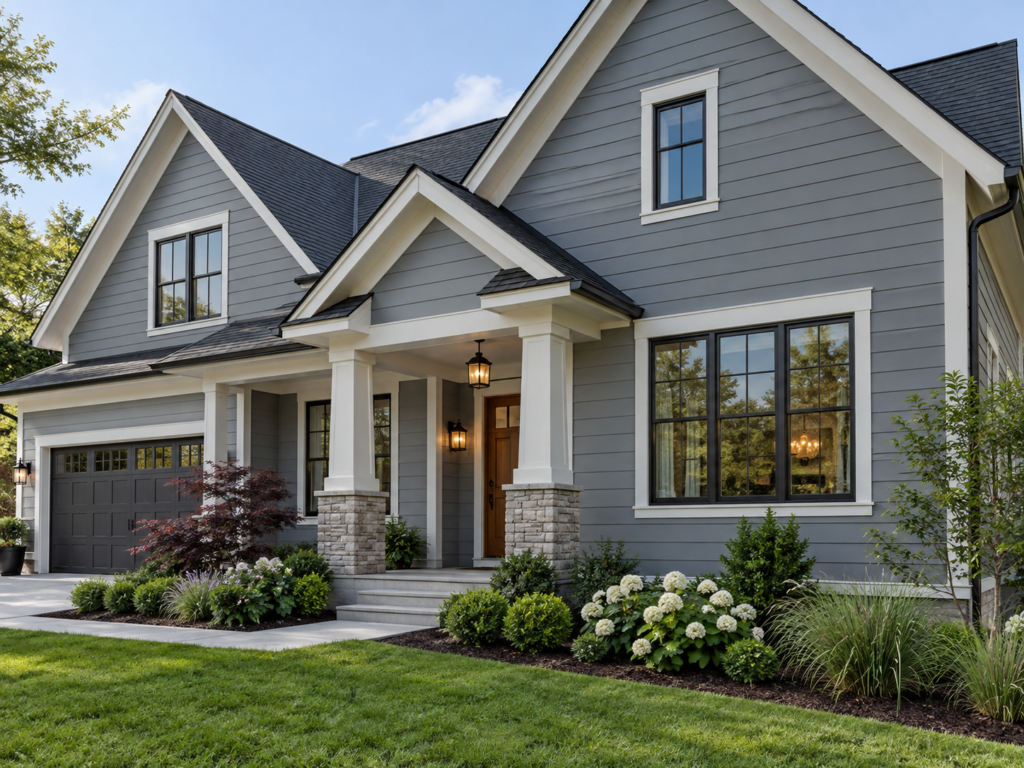
Wood and Engineered Wood Siding
Moisture management is particularly important with wood-based exterior products.
Wet materials, damp sheathing, incorrect clearances, improper flashing, and installation details that trap water can contribute to future deterioration.
Engineered wood products also have manufacturer-specific requirements for fastening, clearances, edge treatment, flashing, and finishing.
Fall installation can work well, but dry and appropriate conditions remain important.
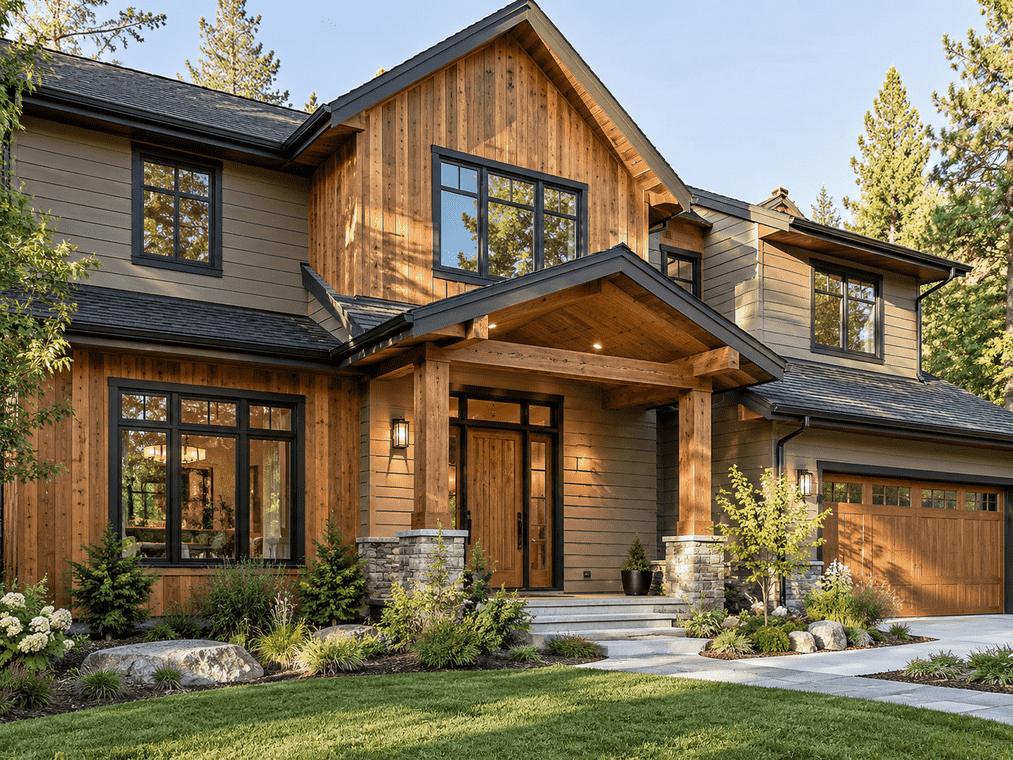
Siding Is Part of a System, Not Just a Surface
Homeowners often think of siding as the waterproof shell of a house.
The actual exterior wall assembly is more complicated.
A typical wall may contain several layers and components, including:
Windows, doors, vents, electrical penetrations, roof-to-wall intersections, and other openings add another layer of complexity.
The weather-resistant barrier, often called a WRB, is especially important. Its job is to help manage water that gets behind the exterior cladding and direct it toward the exterior. Flashing must be integrated with that drainage system for it to function correctly.
This is one reason replacing siding can reveal more than homeowners expect.
Once old siding is removed, the condition of the underlying wall becomes easier to evaluate.
Siding Replacement Can Reveal Hidden Moisture Problems
A wall can look acceptable from across the yard while hiding moisture damage underneath.
Warning signs that deserve attention
- Cracked, broken, or missing siding
- Loose siding panels
- Swelling or soft areas
- Rot around siding or trim
- Staining below windows
- Peeling or failing finishes
- Recurring mildew or moisture staining
- Damaged caulk at appropriate sealed joints
- Water intrusion around windows and doors
- Warped or buckled sections
- Soft or deteriorated sheathing discovered during removal
Finding moisture does not automatically mean the siding itself caused the problem.
Water intrusion can originate from failed flashing, roof-to-wall intersections, windows, doors, penetrations, damaged weather barriers, improper installation details, or other defects.
The important part is identifying where the water is coming from and how it is supposed to drain before new siding covers the wall again.
Installing beautiful new siding over an unresolved moisture problem does not fix the underlying problem.
Can Replacing Siding Improve Energy Efficiency?
It can, but this benefit needs to be explained carefully.
New siding by itself is not automatically a major insulation upgrade.
The energy-performance opportunity often comes from the work that can be performed while the exterior wall is accessible.
A siding replacement project may provide an opportunity to:
- Add continuous exterior insulation
- Repair gaps in the air-control layer
- Improve air sealing around penetrations
- Correct damaged weather-resistant barriers
Continuous exterior insulation can increase the wall's thermal resistance and reduce thermal bridging through framing.
Air sealing matters too. Uncontrolled air leakage through the building envelope can increase heating and cooling demand while contributing to comfort and moisture problems.
So if energy efficiency is one of your goals, ask what is happening behind the new siding.
Simply replacing one cladding product with another may have limited impact on energy use. Combining siding replacement with appropriate insulation and air-sealing improvements can create a more meaningful building-envelope upgrade.
Why Fixing Siding Before Winter Can Matter
Winter puts a different kind of stress on a home's exterior.
Cold temperatures, wind, rain, snow in some parts of North Carolina, and repeated temperature changes can expose weaknesses that were easier to ignore during mild weather.
If damaged siding is already allowing excessive water behind the cladding or the wall has a flashing problem, postponing an inspection may allow moisture exposure to continue.
Water management is especially important because wall assemblies need a reliable way to drain incidental water toward the exterior.
Completing needed siding and building-envelope repairs before winter can help ensure the wall assembly is ready for the colder and wetter conditions ahead.
That does not mean every cosmetic siding flaw is an emergency.
It means functional damage should be evaluated based on what is failing, not simply what month appears on the calendar.
Do You Need Siding Repair or Full Replacement?
Not every siding problem requires a complete replacement.
Localized damage may sometimes be repairable, particularly when the surrounding siding and underlying wall assembly remain in good condition.
Siding Repair May Be Appropriate When:
- Damage is limited to a small area
- Only a few panels are cracked or loose
- The underlying sheathing is sound
- Moisture intrusion is isolated and its source can be corrected
- Matching replacement material is available
- The rest of the siding remains functional
Siding Replacement May Make More Sense When:
- Deterioration is widespread
- Multiple areas are cracked, warped, rotting, or failing
- Repairs have become frequent
- Water problems occur in several areas
- Large portions of the siding are loose or damaged
- Removal reveals broader sheathing or weather-barrier problems
- The existing system cannot be repaired reliably
- You want to coordinate siding work with exterior insulation or broader building-envelope improvements
Age alone should not determine whether siding needs replacement. Condition and performance matter more.
An older siding system that remains secure and manages water correctly may not need immediate replacement, while newer siding with poor installation or extensive damage may require attention much sooner.
What About Rain During an October Siding Project?
Rain is one of the most important variables in any exterior renovation.
Removing siding exposes more of the wall assembly, so contractors need to plan the work to keep the structure protected.
The weather-resistant barrier and flashing details become especially important during this stage.
A siding project should not be treated as a race to cover the wall as quickly as possible.
If wet or damaged materials are discovered underneath, those conditions need to be addressed according to the wall system and material requirements.
Good project planning includes:
- Watching the forecast
- Sequencing removal and installation appropriately
- Protecting exposed areas
- Avoiding the installation of materials under unsuitable conditions
Is October a Good Time for Siding Replacement in North Carolina?
It certainly can be.
North Carolina's climate varies from west to east, so there is no single statewide siding installation deadline. Mountain areas may cool earlier, while the Piedmont and coast can experience milder temperatures later into the season.
October should be evaluated as a weather window, not as a guarantee.
A siding contractor should consider the location, siding material, substrate condition, forecast, precipitation, temperatures, and any temperature-sensitive sealants or coatings before scheduling the work.
What Should Be Inspected During a Fall Siding Project?
Removing old siding is an opportunity to inspect the wall assembly before new siding covers it.
- Sheathing for water damage, staining, or rot
- Weather-resistant barrier for damage or gaps
- Window and door flashing for proper water management
- Wall penetrations and trim for vulnerable areas
- Accessible insulation for moisture or damage
- Roof and foundation transitions where water problems may develop
The goal is to correct water-management and installation issues before the new siding goes on.
Think You Missed Siding Season? You May Still Have Time
October can still be a good time to repair or replace damaged siding before winter when weather and installation conditions are suitable.
Siding replacement also provides an opportunity to inspect the wall assembly and address moisture, sheathing, flashing, or weather-barrier problems before new siding is installed.
Whether you are considering Vinyl Siding Installation or need Expert Siding Installation Services in North & South Carolina , the goal should be to improve both the appearance and performance of the exterior wall system.
If your siding is cracked, warped, loose, rotting, or showing signs of moisture problems, CPS Construction Services can help evaluate its condition and determine whether repair or replacement makes sense for your home.
- Fall Siding Replacement
Frequently Asked Questions
October can be a good month for siding replacement because it may offer moderate temperatures before winter. Conditions vary by location and year, so contractors should use the actual weather forecast and product requirements rather than relying on the calendar alone.
If siding has functional damage or there are signs of moisture intrusion, an inspection before winter is usually worth considering. Minor cosmetic issues may be able to wait, but active water-management problems should not be ignored simply because summer has ended.
Siding alone may have a limited effect on energy efficiency, but a siding project can create opportunities for meaningful energy improvements. Adding continuous insulation, improving air sealing, and correcting gaps in the building envelope can improve thermal performance and comfort.
Localized damage may be repairable, while widespread deterioration can make replacement more practical. Multiple warped or rotted areas, recurring leaks, extensive loose siding, repeated repairs, or broader problems behind the cladding are reasons to consider replacement.
The damaged area should be evaluated and the source of moisture identified before new siding covers it. Depending on the condition, repairs may involve sheathing, framing, flashing, weather barriers, trim, or other parts of the wall assembly.
Fall can be a practical siding season in North Carolina, but conditions vary significantly by region. Mountain areas can experience colder temperatures earlier, while Piedmont and coastal locations may remain warmer later. Material requirements and the local forecast should guide scheduling.


