If you are researching siding replacement, you have probably seen the same name over and over again: James Hardie siding. It is marketed as durable, long-lasting, and premium. Contractors recommend it. Homeowners talk about it. Builders specify it.
But the real question is simple: Is James Hardie siding actually worth the investment, or is it just expensive branding? If you are deciding between siding repair, siding replacement, or upgrading materials, this article will help you make a confident decision.
What Is James Hardie Siding?
James Hardie siding is a fiber cement siding made from a blend of cement, sand, water, and cellulose fibers. Unlike vinyl siding or wood siding, fiber cement is engineered to resist moisture, fire, pests, and impact damage.
Hardie products are commonly referred to as:
HardiePlank lap siding
HardiePanel vertical siding
HardieShingle siding
Fiber cement siding is used on residential and commercial properties and is often chosen for long-term performance rather than lowest upfront cost.
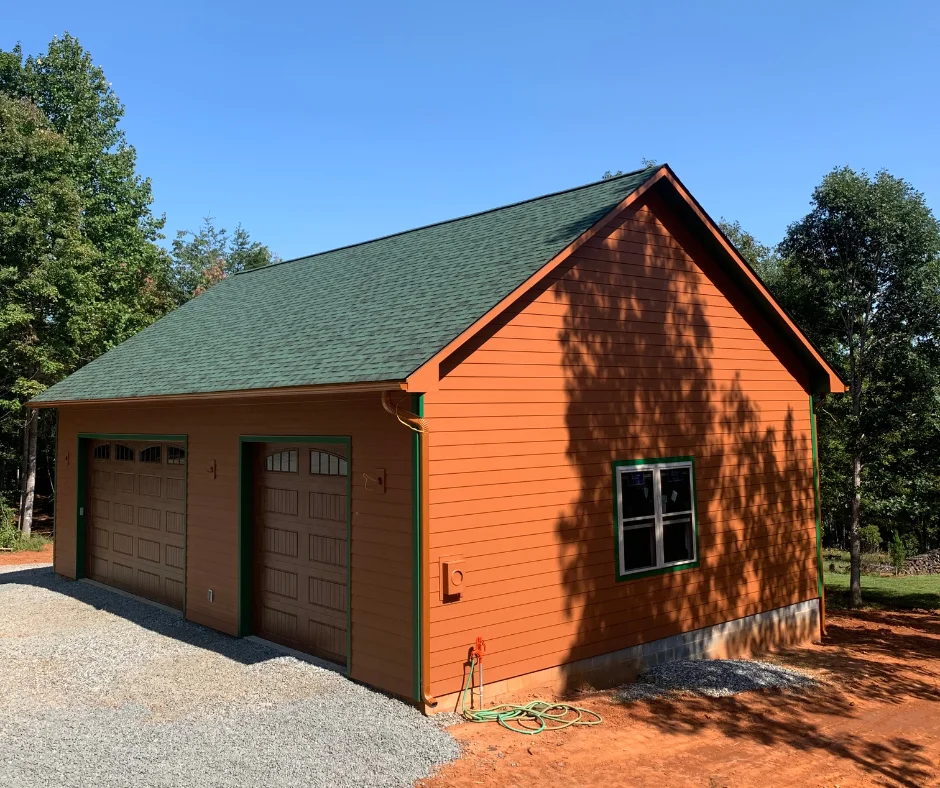
Why James Hardie Siding Is So Popular
The popularity of James Hardie siding is not accidental. It solves many problems homeowners experience with traditional siding materials.
Durability and lifespan
James Hardie siding typically lasts 30 to 50 years when installed correctly and maintained properly. Vinyl siding often lasts 20 to 40 years, but is more susceptible to cracking, warping, and fading.
Weather resistance
Fiber cement siding performs exceptionally well in:
- High humidity
- Heavy rain
- Strong winds
- Freeze-thaw cycles
- Intense UV exposure
This makes it especially appealing for homeowners dealing with seasonal storms and moisture issues.
Fire resistance
James Hardie siding is non-combustible, which adds a layer of protection not available with vinyl siding or wood siding.
Pest resistance
Termites, carpenter ants, and wood-boring insects do not damage fiber cement siding.
Cost: Is James Hardie Siding More Expensive?
Yes, James Hardie siding costs more upfront than vinyl siding. But cost should always be evaluated long-term.
Average cost comparison
While exact pricing depends on home size and labor rates, typical ranges look like this:
- Vinyl siding installation: lower upfront cost
- James Hardie siding installation: mid to high upfront cost
- Wood siding installation: high cost with high maintenance
James Hardie siding replacement often costs more than vinyl siding replacement, but less than premium wood siding when lifetime costs are considered.
Estimated Installed Cost of James Hardie Siding vs. Vinyl and Wood Siding
Siding Type | Typical Installed Cost per Sq Ft | Typical Cost for 2,000 sq ft Home | Notes |
James Hardie Fiber Cement | $10–$20+ | $20,000–$40,000+ | Premium performance, long lifespan, weather resistant. |
Vinyl Siding | $4–$12 | $8,000–$24,000 | Lower upfront cost, lower durability than fiber cement. |
Wood Siding | $6–$12+ | $12,000–$24,000+ | Natural appearance, higher maintenance. |
Long-term value
James Hardie siding requires less frequent replacement, holds paint better, and resists damage that leads to ongoing siding repair. Over time, this reduces maintenance and repair expenses.
Maintenance: How Much Work Does It Really Require?
No siding material is maintenance-free, but fiber cement siding is relatively low maintenance.
James Hardie siding maintenance includes:
- Periodic exterior washing
- Inspecting caulked joints
- Touch-up painting after many years
- Checking clearance from soil and hard surfaces
- Inspecting flashing and trim connections
- Monitoring for impact damag
- Watching for moisture-related warning signs
- Keeping gutters and downspouts clear
- Avoiding direct heat sources
- Scheduling professional inspections periodically
Unlike wood siding, it does not rot. Unlike vinyl siding, it does not warp or melt. Paint on James Hardie siding often lasts significantly longer due to the factory-applied finish options.
James Hardie vs Vinyl Siding Comparison
Category | Vinyl Siding | James Hardie Siding (Fiber Cement) |
Upfront Cost | Lower upfront cost | Higher upfront cost |
Installation Speed | Faster installation | Slower, more detailed installation |
Material Weight | Lightweight | Heavy and rigid |
Installer Skill Required | General siding experience | Experienced fiber cement installers |
Durability | Moderate | High, long-term durability |
Impact Resistance | Lower, can crack | Strong resistance to hail and debris |
Heat Performance | Can warp or melt | Stable in high heat |
Cold Weather Performance | Can become brittle | Maintains structural integrity |
Storm Resistance | Panels can loosen in high winds | Performs better in severe weather |
Moisture Tolerance | Can hide moisture behind panels | Resists moisture when installed correctly |
Maintenance Needs | Minimal painting, panel replacement over time | Occasional washing, infrequent repainting |
Appearance | Uniform, plastic look | More realistic wood appearance |
Curb Appeal | Moderate | High-end, premium look |
Color Longevity | Color may fade over time | Paint and finishes last longer |
Fire Resistance | Not fire resistant | Non-combustible |
Resale Value Impact | Acceptable | Higher resale and buyer appeal |
Best Use Case | Budget-focused or short-term ownership | Long-term ownership and value |
Is James Hardie Siding Good for North Carolina?
Yes. Fiber cement siding performs extremely well in climates with:
- High humidity
- Heavy rainfall
- Seasonal temperature swings
- Strong storms
James Hardie products are designed with regional performance in mind, which helps prevent moisture-related failures that commonly affect siding repair projects.
Installation Quality Matters More Than the Brand
One of the biggest misconceptions homeowners have is that buying premium siding automatically guarantees premium results. Even the best siding material will fail if it is installed incorrectly. With fiber cement siding, installation quality is just as important as the product itself.

Improper installation can lead to:
- Moisture intrusion behind the siding system
- Cracking or edge damage to boards
- Failed caulk joints that allow water entry
- Premature paint failure
- Structural damage to sheathing or framing
- Voided manufacturer warranties
James Hardie siding is an engineered system, not just individual boards. It relies on precise installation standards to perform as designed.
When James Hardie Siding Might Not Be Worth It
James Hardie siding may not be the best choice if:
- You plan to sell very soon
- Budget is the primary concern
- Installation quality cannot be guaranteed
- Only a small section of siding is damaged
- Access to the exterior is limited or complex
- The existing structure has unresolved moisture issues
- You want the lowest upfront maintenance and installation cost
- Short-term cosmetic improvement is the main goal
In these situations, vinyl siding repair or replacement can still provide improved curb appeal, weather protection, and affordability without the higher investment required for fiber cement siding.
Is James Hardie Siding Worth It? Final Verdict
James Hardie siding is worth it for homeowners seeking long-term durability, weather resistance, low maintenance, and higher resale value. While not the cheapest option, it delivers strong long-term performance. For expert installation and evaluation, CPS Construction Services helps ensure fiber cement siding performs as designed.
Frequently Asked Questions
For most homeowners, yes. James Hardie fiber cement siding is more durable, more impact-resistant, and less likely to warp or crack than vinyl siding, especially in harsh weather.
When properly installed and maintained, James Hardie siding typically lasts 30 to 50 years, which is longer than most vinyl siding products.
No. James Hardie siding requires occasional washing and infrequent paint touch-ups, but far less maintenance than wood siding and fewer repairs than vinyl siding over time.
James Hardie siding is moisture-resistant, not waterproof. Proper flashing, weather barriers, and professional installation are essential to prevent water intrusion.
No. James Hardie siding is highly impact-resistant, but it can crack if installed incorrectly or struck with significant force. Proper installation greatly reduces this risk.
Yes. Fiber cement siding is non-combustible and does not ignite, making it more fire-resistant than vinyl or wood siding.
Factory-finished James Hardie siding resists fading better than many siding materials. Color retention is stronger than vinyl and repainting is needed far less often than wood.





