You should replace your roof in Hendersonville when leaks become recurring, shingles fail across large areas, decking shows moisture damage, or ventilation issues cause ongoing moisture problems. Hillside construction, rainfall, and humidity in Henderson County often accelerate roof wear compared to national averages.
A Practical Way to Decide If Your Roof Needs Replacement
Most homeowners in Hendersonville are not looking for a generic lifespan number. They want a clear answer to one question:
Is my roof still doing its job, or am I risking bigger problems by waiting?
Because roofs in Henderson County deal with rainfall, sloped terrain, and humidity, replacement timing is usually based on performance, not just age.
How Long Should a Roof Last?
Roof lifespan in Hendersonville depends on material type, installation quality, ventilation, and exposure.
Typical ranges in Henderson County:
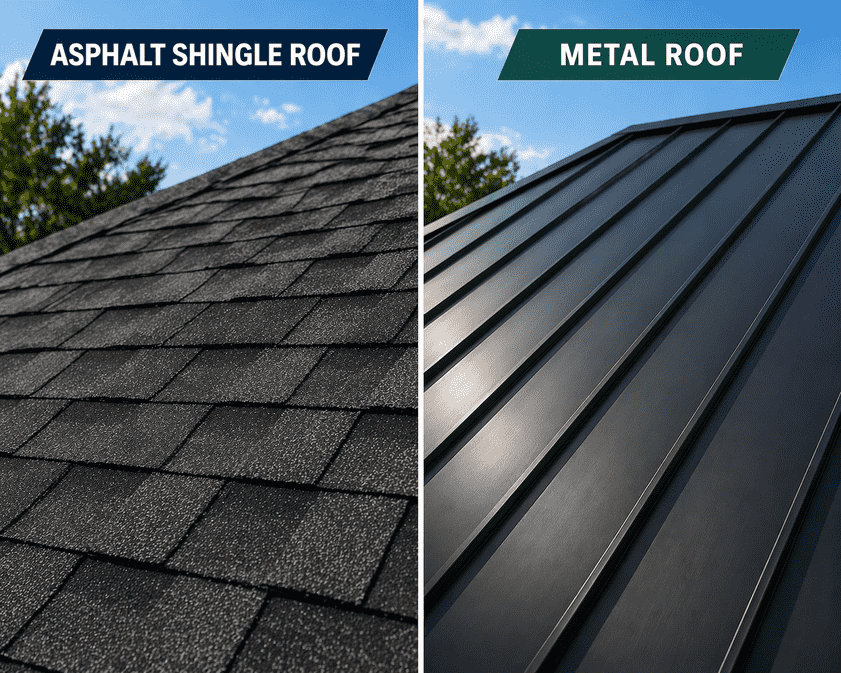
- Asphalt shingle roofs often last 15 to 25 years
- Architectural shingles may last 20 to 30 years
- Metal roofing systems often last 40 years or more
However, roofs exposed to poor ventilation, heavy runoff from hillside lots, or repeated moisture intrusion often need replacement sooner than expected.
Age alone does not determine replacement timing. Condition matters more.

What Are the First Signs a Roof Needs to Be Replaced?
Early warning signs usually appear well before major leaks develop. In many cases, these indicators show that the roofing system is losing its ability to shed water and protect the structure.
Common replacement indicators include:
- Shingles curling, cracking, or losing granules across large sections
- Roof surfaces that appear uneven, worn down, or patchy in color
- Shingles lifting or failing to reseal during moderate wind
- Flashing separating around chimneys, valleys, skylights, or vent pipes
- Exposed nail heads or fasteners backing out of the roof surface
- Multiple repairs in different areas within a short period of time
Additional signs that often point toward replacement rather than repair:
- Consistent shingle debris collecting in gutters or at downspouts
- Water staining or discoloration on roof decking visible from the attic
- Soft spots when walking the roof, indicating weakened decking
- Moss or algae growth that persists despite cleaning, often linked to trapped moisture
- Roof sections that dry unevenly after rainfall, signaling ventilation or underlayment failure
When these issues are widespread rather than isolated, repairs typically provide only temporary relief. At that stage, roof replacement is often the safer and more cost-effective solution, especially in climates with regular rainfall and humidity.
If My Roof Is Leaking, Does That Mean It Needs Replacement?
Not always, but repeated leaks are a strong signal.
A roof may still qualify for repair if:
- The leak is isolated
- The roof is relatively young
- Decking and insulation remain dry
Replacement is usually recommended when:
- Leaks keep returning in different locations
- Repairs no longer last
- Moisture has reached decking or attic insulation
In Hendersonville, moisture spreads quickly once a roof system is compromised.
Can Moisture Damage Under the Roof Mean Replacement Is Needed?
Yes. Moisture below the roof surface is one of the most reliable indicators that roof replacement may be necessary, especially in areas with frequent rainfall and high humidity.
Signs of moisture-related roof failure include:
- Soft or darkened roof decking visible from the attic
- Mold or mildew growth on decking, rafters, or insulation
- Damp, matted, or compressed attic insulation
- Musty odors that become stronger after rainfall
- Rusted fasteners or staining around roof penetrations
Additional moisture indicators that often point toward replacement:
- Water trails or staining that extend beyond a single leak point
- Decking that dries unevenly or remains dark long after rain stops
- Insulation damage in multiple roof sections rather than one area
- Persistent condensation caused by poor ventilation balance
These conditions usually indicate long-term problems such as underlayment failure, inadequate ventilation, or repeated water intrusion that has compromised the roof system as a whole. In these cases, surface repairs rarely resolve the underlying issue.
When moisture damage is widespread or recurring, replacing the roof allows the decking, underlayment, flashing, and ventilation to be corrected together. This restores the roof’s ability to manage moisture properly and prevents continued structural and indoor air quality issues.
How Do Ventilation Problems Affect Replacement Timing?
Ventilation plays a major role in Hendersonville roof performance.
Poor ventilation:
- Traps heat and moisture
- Accelerates shingle aging
- Increases the risk of decking rot
- Contributes to mold growth
If ventilation issues are widespread, roof replacement is often the most practical time to correct them properly instead of piecemeal repairs.
Is Roof Sagging a Replacement Issue?
Yes. Sagging rooflines usually indicate structural stress and are one of the clearest signs that roof replacement may be required.
Common causes include:
- Long-term moisture exposure that weakens roof decking
- Decking deterioration from repeated leaks or condensation
- Excessive load over time from multiple roofing layers or trapped moisture
- Structural movement caused by compromised rafters or trusses
Additional warning signs often associated with roof sagging:
- Visible dips or uneven lines along the roof ridge
- Sagging areas around valleys, skylights, or large penetrations
- Soft spots felt when walking the roof surface
- Interior ceiling cracks or drywall separation beneath sagging sections
Roof sagging is not a cosmetic issue. It typically indicates that the roof structure is no longer carrying loads evenly. In these situations, surface repairs or shingle replacement alone will not correct the problem.
When sagging is present, roof replacement is usually required along with structural corrections such as decking replacement or reinforcement. Addressing the issue early helps prevent further structural damage and reduces the risk of more extensive repairs.
Does Storm Damage Automatically Mean Roof Replacement?
Not always, but sometimes.
Replacement is often necessary when storms cause:
- Shingle seal failure across large areas
- Hail damage that compromises shingle surfaces
- Tree or debris impact that damages decking
Insurance may help cover replacement, but the decision should be based on roof integrity, not just claim eligibility.
How Do I Decide Between Roof Repair and Roof Replacement?
This is one of the most common and most important questions homeowners ask. The right decision depends on whether the roof’s problems are isolated or systemic.
Roof repair usually makes sense when:
- Damage is localized to a small area
- The roof is still early in its expected lifespan
- Decking beneath the roof is solid and dry
- Ventilation is functioning properly
- Previous repairs have been successful and long-lasting
In these cases, targeted repairs can restore performance without major disruption.
Roof replacement is often the better option when:
- Repairs are recurring in different areas
- Moisture damage affects decking or attic insulation
- Ventilation problems are widespread or outdated
- Shingles are failing across large sections
- Energy efficiency has declined due to heat and moisture buildup
Additional factors that often tip the decision toward replacement:
- The roof is approaching the end of its material lifespan
- Multiple roofing layers are present
- Repair costs begin to approach a significant portion of replacement cost
- Insurance coverage applies due to storm-related damage
In Hendersonville, replacement often becomes cost-effective earlier than expected because moisture exposure accelerates wear and spreads damage beyond the roof surface. A professional inspection that evaluates the roof as a complete system is the most reliable way to make the right decision.
Does Waiting to Replace the Roof Increase Total Cost?
Yes. Delaying replacement frequently increases overall expense.
Waiting can lead to:
- Interior drywall and ceiling damage
- Insulation replacement
- Mold remediation
- Decking and structural repairs
- Electrical or HVAC damage
- Reduced insurance coverage options
- Lower resale value during inspections
Replacing the roof earlier often prevents these secondary costs.
Can Energy Bills Indicate It Is Time to Replace the Roof?
They can.
Signs include:
- Rising heating and cooling costs
- Hot or humid attic spaces
- Uneven indoor temperatures
Replacing the roof allows ventilation and insulation issues to be corrected together, improving energy performance.
What Does a Roof Inspection Look For When Deciding Replacement?
A professional roof inspection looks beyond visible shingle damage to determine whether the roofing system is still performing as designed.
Key areas evaluated during an inspection include:
- Shingle and surface condition, checking for granule loss, cracking, curling, and seal failure
- Decking integrity, identifying soft spots, rot, or moisture damage beneath the roofing materials
- Ventilation balance, assessing intake and exhaust airflow to prevent heat and moisture buildup
- Flashing performance, reviewing transitions at chimneys, valleys, skylights, and vent penetrations
- Moisture patterns, using visual indicators or moisture readings to locate trapped water or condensation
- Structural alignment, confirming rafters, trusses, and rooflines remain straight and properly supported
Additional factors that influence replacement decisions:
- Evidence of repeated past repairs in multiple areas
- Underlayment condition when visible at edges or penetrations
- Signs of condensation rather than direct leaks, often linked to ventilation failure
- Age and layering of existing roofing materials
This system-level evaluation determines whether repairs can restore performance or if replacement is needed to correct underlying issues. A thorough inspection provides homeowners with clear documentation and reduces the risk of unexpected costs later.
Final Guidance for Hendersonville Homeowners
If your roof shows multiple warning signs, replacement is often the safer and more cost-effective choice. In Hendersonville, roofs must manage water, airflow, and structure together. When one part fails, deterioration accelerates and risk increases.
A professional inspection is the most reliable way to determine replacement timing and protect long-term home value.
Roof Replacement FAQs Hendersonville, NC
Roof replacement is usually recommended when damage affects large areas, roof leaks keep returning, or moisture has reached the roof decking or attic insulation. Localized damage on a younger roof may still qualify for repair.
In Hendersonville, asphalt shingle roofs commonly last 15 to 25 years, architectural shingles 20 to 30 years, and metal roofing systems 40 years or more. Rainfall, ventilation quality, and roof slope can shorten or extend lifespan.
Yes. Replacing a roof before leaks occur can prevent interior water damage, insulation loss, and mold growth. Proactive roof replacement is often less expensive than waiting for structural damage.
Yes. Roof condition matters more than age. Some newer roofs fail early due to poor ventilation, improper flashing, or installation issues, while older roofs in good condition may still perform well.
Yes. A professional roof inspection evaluates shingle wear, flashing performance, ventilation balance, moisture exposure, and decking condition to estimate remaining roof life and replacement timing.
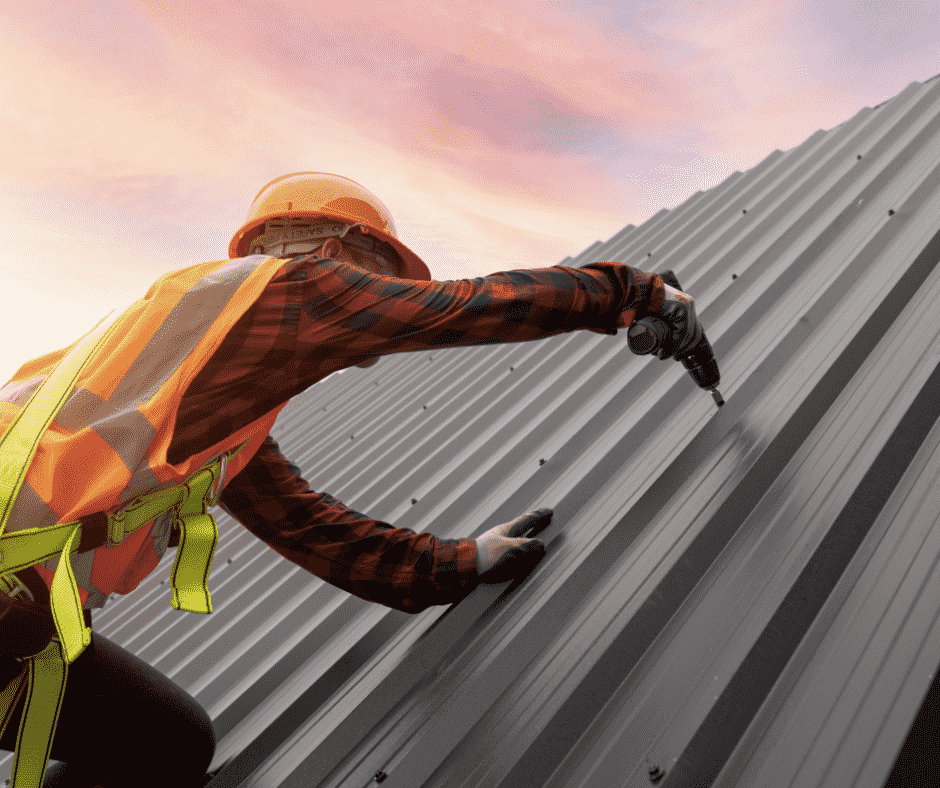
Metal roofing is a strong option in Hendersonville because it handles heavy rainfall well, resists moisture damage, and offers a longer lifespan than traditional asphalt shingles.