Pricing Guide for Homeowners Planning Siding Replacement
If you are a North Carolina homeowner researching siding replacement in 2026, chances are you are seeing James Hardie siding at the top of every recommendation list. Contractors suggest it. Builders trust it. Homeowners ask about it constantly.
But the most common and most important question is simple:
How much does James Hardie siding actually cost in North Carolina in 2026?
The answer depends on more than just square footage. Labor rates, regional climate demands, installation complexity, material choices, and the condition of your existing siding all play a role. This guide breaks down James Hardie siding cost in North Carolina using real-world pricing ranges, contractor experience, and long-term value analysis.
In 2026, James Hardie siding in North Carolina typically costs $11 to $22 per square foot installed, with most homeowners spending between $22,000 and $45,000 for a full siding replacement, depending on home size, labor, and project complex

What Is James Hardie Siding?
James Hardie siding is a fiber cement siding made from cement, sand, water, and cellulose fibers. It is engineered to resist moisture, fire, pests, and impact damage far better than vinyl siding or wood siding.
Common James Hardie siding products include:
- HardiePlank lap siding
- HardiePanel vertical siding
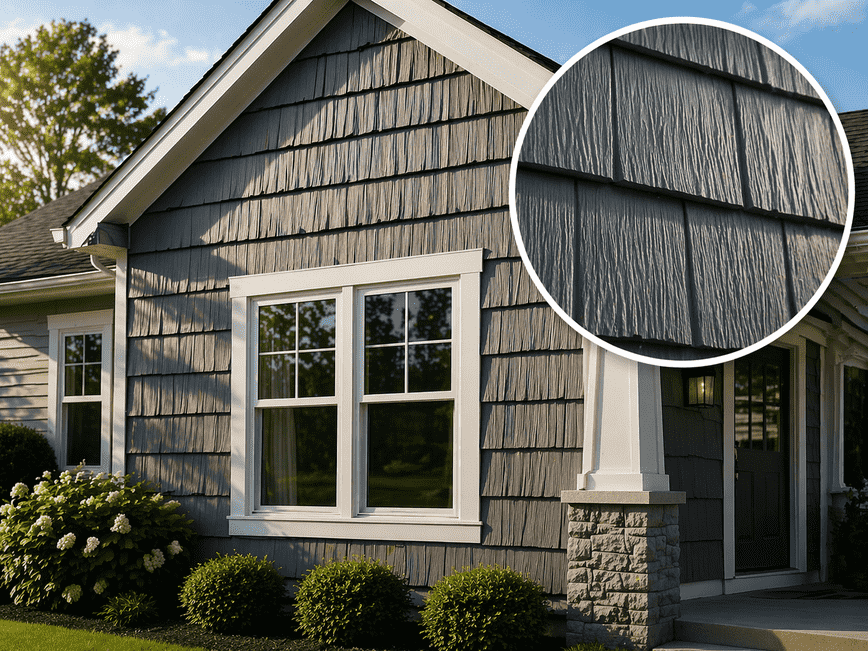
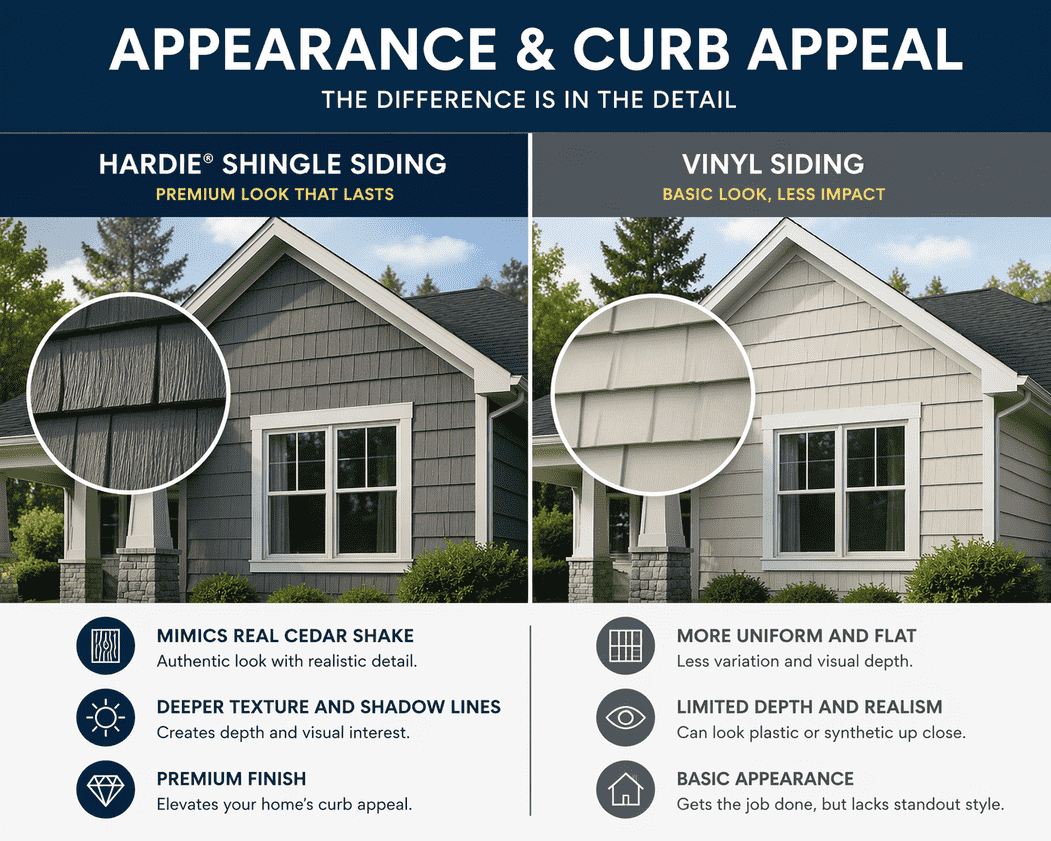
- HardieShingle siding
Because fiber cement siding is heavier and more rigid than vinyl, it requires professional installation and precise moisture management, which directly affects cost.
Average James Hardie Siding Cost in North Carolina for 2026
Installed cost per square foot
In 2026, James Hardie siding installation in North Carolina typically ranges from $11 to $22 per square foot, including materials and labor.
Homes with multi-story elevations, complex layouts, decorative trim, or limited access often fall at the higher end of this range.
Total project cost by home size
Home Size | Estimated Cost Range (NC 2026) |
1,500 sq ft | $16,500 to $33,000 |
2,000 sq ft | $22,000 to $44,000 |
2,500 sq ft | $27,500 to $55,000 |
3,000+ sq ft | $33,000 to $65,000+ |
These figures reflect full siding replacement, including removal of existing siding and standard trim work.
Why North Carolina Pricing Is Different
North Carolina has unique factors that influence James Hardie siding cost.
- Climate demands: High humidity, heavy rainfall, and storm exposure require strict installation standards. Proper flashing, clearances, and moisture barriers add labor time but protect long-term performance.
- Labor market: Skilled siding contractors experienced with fiber cement command higher rates than general installers, especially in metro areas like Charlotte, Raleigh, and the Triad.
- Building codes and inspections: Local code requirements and inspection standards can affect installation methods and timelines.
James Hardie Siding Cost vs Vinyl Siding in North Carolina
Siding Type | Installed Cost per Sq Ft | Typical Lifespan |
Vinyl siding | $4 to $12 | 20 to 40 years |
James Hardie siding | $11 to $22+ | 30 to 50 years |
Vinyl siding wins on upfront cost. James Hardie siding delivers better durability, weather resistance, and long-term value.
Key Factors That Affect James Hardie Siding Cost
- Home size and layout: Larger homes and complex elevations increase labor and material needs.
- Removal of existing siding: Tear-off and disposal costs vary depending on material and number of layers.
- Trim and accessory upgrades: Fiber cement trim, soffits, and fascia upgrades increase cost but dramatically improve curb appeal.
- Factory-finished vs paint-on-site: Factory-finished siding costs more upfront but lasts longer and reduces repainting needs.
- Installation quality: Experienced installers cost more but protect warranties and prevent moisture intrusion.
Labor Costs in North Carolina
Labor typically accounts for 45 to 60 percent of total James Hardie siding cost. Fiber cement siding requires:
- Specialized cutting tools
- Exact fastening patterns
- Strict clearance requirements
- Integrated moisture management
Cutting corners on labor often leads to long-term repair costs that far exceed initial savings.
Maintenance Costs Over Time
James Hardie siding is widely considered low maintenance compared to most exterior siding materials, especially when evaluated over decades rather than just the first few years.
Typical James Hardie siding maintenance includes:
- Occasional exterior washing: Rinsing the siding once or twice per year removes dirt, pollen, and mildew buildup common in humid climates.
- Periodic caulk inspection and replacement: Caulked joints around windows, doors, trim, and penetrations should be checked every few years and replaced as needed to maintain a watertight exterior.
- Infrequent repainting after many years: Factory-finished James Hardie siding often holds color for 10 to 15 years or longer before repainting is required, depending on sun exposure.
Additional long-term maintenance considerations:
- Lower repair frequency: Fiber cement siding resists cracking, warping, and impact damage better than vinyl, which reduces the need for frequent panel replacement.
- No rot or insect damage: Unlike wood siding, James Hardie does not rot, swell, or attract termites, eliminating many common and costly repairs.
- Stable performance in heat and cold: Unlike vinyl siding, fiber cement does not melt, warp, or become brittle during temperature extremes, reducing seasonal damage.
- Better moisture tolerance: When installed correctly, James Hardie siding sheds water effectively and does not trap moisture behind panels as easily as some siding systems.
- Predictable maintenance costs: Most maintenance expenses are planned and preventative rather than emergency repairs, which helps homeowners avoid surprise costs.
What this means for homeowners
Over the lifespan of the product, James Hardie siding typically costs less to maintain than wood siding and often less than vinyl siding that requires repeated panel replacements due to cracking, fading, or warping.
While no siding material is maintenance-free, James Hardie siding offers a strong balance of durability, stability, and predictable upkeep, making it a cost-effective option over the long term.
Repair vs Replacement Cost Considerations
Factor | James Hardie/Fiber Cement Repair | James Hardie/Fiber Cement Replacement |
Repair Scope | Minor isolated damage | Entire exterior or widespread damage |
Typical Cost per Sq Ft | $4 to $12 (repair boards and trim) | $7 to $18 per sq ft total installed |
Small Project Example | $400 to $1,400 for ~200 sq ft repair | $15,000 to $30,000 for ~1,500 sq ft replacement |
Full Home Example | N/A (repairs not full house) | $22,000 to $45,000+ for ~2,000 sq ft (based on per-sq-ft) |
Upfront Cost | Lower | Higher |
Long-Term Cost Efficiency | Lower short term | Lower long term when repeated repairs add up |
Typical Use-Case | Isolated panels, trim, minor impact | Widespread damage, moisture intrusion, aged siding |
Moisture Risk Handling | Repairs may leave underlying issues | Replacement allows full corrective work |
Installation Skill Required | Moderate but must be precise | High — best with experienced siding pros |
Does James Hardie Siding Increase Home Value in North Carolina?
Yes. Fiber cement siding consistently ranks among the top exterior upgrades for return on investment.
Benefits include:
- Higher curb appeal
- Lower buyer maintenance concerns
- Stronger resale performance
- Improved storm and moisture resistance
Homes with James Hardie siding often sell faster and at higher prices in competitive North Carolina markets.
Is James Hardie Siding Worth the Cost in 2026?
James Hardie siding is worth the cost for homeowners who:
- Plan to stay in the home long-term
- Want durability in humid and storm-prone climates
- Prefer low maintenance
- Value resale performance
It may not be ideal if budget is the primary concern or if the home will be sold soon.
Why a Professional Evaluation Is Essential
Choosing siding based on price alone often leads to avoidable problems, unexpected repairs, and higher long-term costs. Siding is a system, not just a surface, and it needs to be evaluated as such.
A professional siding evaluation looks beyond visible damage and assesses:
- Existing exterior and structural damage that may not be obvious from the surface
- Moisture risks behind the siding, including flashing failures or drainage issues
- Installation quality, including clearances, fastening patterns, and code compliance
- Long-term cost implications of repair versus full replacement
This level of assessment helps homeowners avoid patchwork solutions that fail prematurely or hide deeper issues.
For homeowners considering James Hardie siding in North Carolina, CPS Construction Services provides thorough inspections, clear recommendations, transparent pricing, and professional installation designed for long-term performance.
A proper evaluation removes guesswork and ensures the solution fits both the condition of the home and the homeowner’s long-term goals.
Final Takeaway
In 2026, James Hardie siding continues to be one of the strongest exterior siding options for North Carolina homeowners. While the upfront cost is higher than vinyl siding, fiber cement delivers superior durability, storm resistance, and long-term performance that reduce repairs and extend replacement cycles.
For homeowners planning to stay in their home or protect long-term value, James Hardie siding is often a smarter investment rather than a short-term fix.
If you are considering James Hardie siding in North Carolina, contact CPS Construction Services to schedule a professional siding evaluation and get clear, honest guidance on cost, repair, or replacement options.
FAQs- James Hardie Price NC
In 2026, James Hardie siding in North Carolina typically costs $11 to $22 per square foot installed, depending on labor rates, home complexity, and finish options.
Most North Carolina homeowners spend $22,000 to $44,000 to side a 2,000 sq ft home with James Hardie fiber cement siding, including materials and professional installation.
James Hardie siding costs more because it is a heavier fiber cement material that requires skilled labor, specialized tools, and stricter installation standards, but it also lasts longer and performs better in harsh weather.
In most cases, James Hardie siding estimates include removal and disposal of existing siding, but homeowners should always confirm this in writing before signing a contract.
When properly installed and maintained, James Hardie siding typically lasts 30 to 50 years, even in North Carolina’s humid and storm-prone climate.
No. Factory-finished James Hardie siding can hold its color for 10 to 15 years or longer, making repainting far less frequent than with traditional wood siding.