Shelby’s weather is tough on exteriors: hot, humid summers, chilly, wet winters, ~47″ rain and storm-driven downpours. Quick fixes (repainting wood, swapping warped vinyl) rarely last.
James Hardie® fiber-cement siding is a long-term upgrade: non-combustible, rot/insect-resistant, engineered for Carolina heat, humidity, and heavy rain, with ColorPlus® UV-stable finishes.
This guide covers real local cost ranges, what changes price in Cleveland County, a step-by-step install overview, and a checklist for choosing a qualified residential/commercial crew so your next siding project is the last one for a long time.
Why Hardie (for Shelby, NC)
- Built for climate: Stable in heat/humidity, resists swelling/warping.
- Water management: Works with WRB, flashing, and a rainscreen to shed rain fast.
- Fire & pests: Non-combustible; termites and woodpeckers ignore fiber-cement.
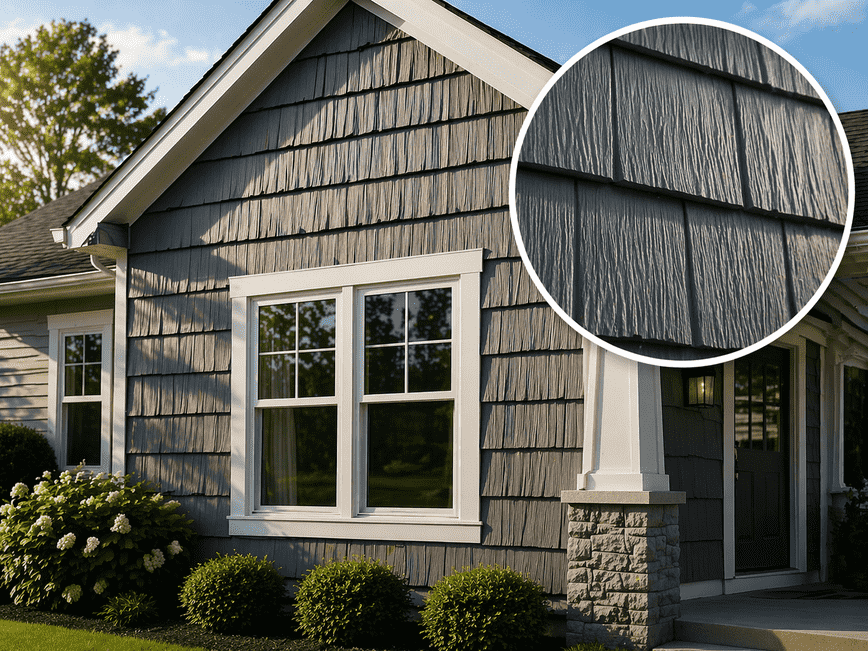
- Design options: Lap, panel (board-and-batten), and shingle/shake; large color library.
Local Cost Snapshot (Materials + Labor)
Most projects: $8–$12/sq ft installed (range: $6–$15/sq ft by scope/finish/complexity).
Profile | Materials ($/sf) | Labor ($/sf) | Typical Installed ($/sf) | Best Use |
HardiePlank® Lap | ~1–2 (primed) | ~4–7 | ~6–10 (to 12+ complex) | Most economical, classic |
HardiePanel® + Battens | ~1–2 | ~4–8 | ~6–12 | Modern farmhouse / commercial |
HardieShingle® | ~3–5+ | ~5–9 | ~9–14+ | Premium accents/gables |
Expect materials ~2–6/sf, labor ~4–9/sf. Shingles cost more due to piece count and cutting time.
What Moves Your Price
- Architecture: Simple one-story = lower. Two-story, dormers, many corners = higher.
- Tear-off: Vinyl ~$1/sf; wood/Masonite $3–$4/sf; lead/asbestos extra.
- Prep & details: WRB/rainscreen, flashing, foam, sheathing repair, HardieTrim® +1–3/sf when needed.
- Finish: ColorPlus® +$1–2/sf materials; saves field painting, adds finish warranty.
- Scale & timing: Larger, uniform walls can save; weather can slow production.

The James Hardie Installation Process
Installing fiber‑cement siding requires planning, precision and protective equipment. Below is an overview based on professional best practices:
Step 1: Prep Work
Professional crews start by removing old siding, nails and trim. They inspect the sheathing for damage, add or repair plywood or OSB as needed, and wrap the walls in a house wrap or weather‑resistive barrier. Stud locations are marked so that new panels can be securely fastened. Flashing and caulk are applied around windows and doors before siding goes up.
Step 2: Measure and Cut
Each siding course is carefully measured and cut with a circular or miter saw equipped with a fiber‑cement blade and dust collection system. Workers wear PPE such as respirators, gloves and eye protection to protect against silica dust. Pre‑cutting pieces speeds up installation and ensures clean cuts.
Step 3: Install Necessary Flashing
Metal or vinyl flashing is installed above windows, doors and horizontal trim to channel water away. Flashing sheets are also inserted behind the ends of each siding course; this helps create a watertight seal where boards butt together. Hardie recommends maintaining at least 6 inches of clearance from the ground and 1/4 inch of clearance above flashing and trim to prevent moisture wicking.
Step 4: Install the Siding
A starter strip sets the first course at the correct angle. Boards are fastened to studs with corrosion‑resistant nails every 6–10 inches at the top of each panel. Nails are hidden under the overlapping course. Installers stagger vertical seams and ensure that butt joints land over studs. For vertical or board‑and‑batten styles, battens cover the gaps between panels. Correct nailing patterns and expansion gaps are crucial for longevity.
Step 5: Install the Trim
After all siding courses are in place, crews install corner boards, soffit, fascia and window trim. Trim boards fill the ¼‑inch expansion gaps and cover board ends. Matching Hardie trim is available, or contractors can use primed wood or PVC depending on design and budget.
Step 6: Seal with Caulk
Seams between siding and trim are sealed with exterior grade caulk to ensure a watertight enclosure. Many installers use a James Hardie touch‑up kit so that caulk lines blend with the siding color.
Step 7: Cleanup and Final Inspection
Finally, crews clean up stray nails and cut‑offs, check that all fasteners are seated properly and inspect flashings and sealants. A thorough clean‑up includes collecting dust with a magnetic roller and disposing of waste according to local regulations.
Note: Fiber-cement cutting requires silica-aware controls; reputable crews use shears or saws with extraction and PPE to protect workers and your property.
Comparing Hardie to Other Siding Materials
Shelby homeowners often compare fiber‑cement to vinyl, wood and engineered wood. Here are some pros and cons to consider:
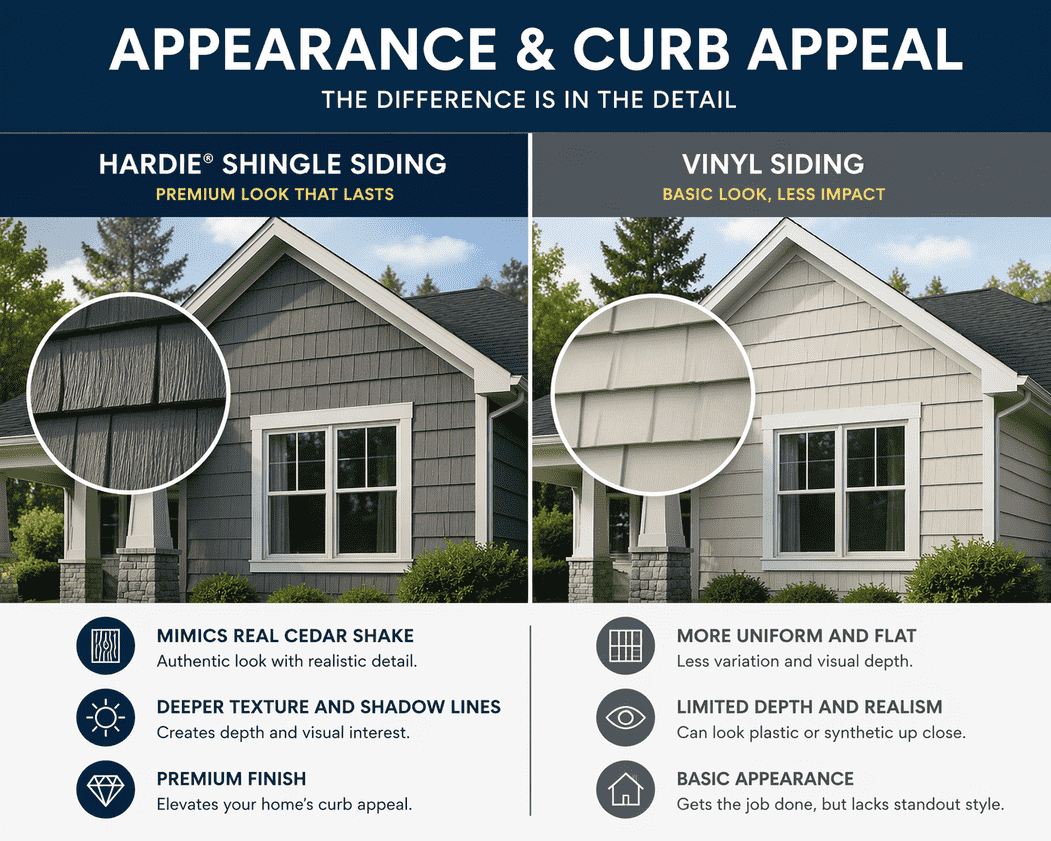
- Vinyl: Vinyl is typically less expensive per square foot, but it can warp in heat, crack in cold and offer limited fire resistance. It may fade faster than Hardie’s ColorPlus finish and has a lower return on investment.
- Natural wood: Cedar and pine boards offer warm texture, but they require frequent painting or staining and are vulnerable to rot and insects. Wood siding can also pose a higher fire risk.
- Engineered wood: Products like LP® SmartSide® combine wood strands and resins. They are lighter and easier to install than fiber‑cement, but they may still require regular painting and don’t offer the same fire resistance.
In the long run, Hardie siding’s durability, low maintenance and warranty coverage offset its higher upfront cost.
Style and Design Ideas for Shelby Homes
Shelby’s neighborhoods include craftsman cottages, mid‑century ranches, brick colonials and modern farmhouses. Hardie siding works with all of them. Here are a few design ideas:
- Craftsman bungalow: Use Hardie lap siding on the main walls and straight‑edge shingle panels in the gables. Choose earth‑tone colors and wide trim.
- Modern farmhouse: Combine vertical board‑and‑batten panels with smooth lap siding. Pair a neutral color (white or light gray) with dark window frames and a metal roof.
- Brick colonial update: Replace worn wood siding on the second story with Hardie plank boards painted a crisp white. Add black shutters and a new front door for contrast.
- Lake cottage or mountain cabin: Use staggered shingle panels on dormers and accent walls for a cozy, cedar‑shake look—without the maintenance of real wood.
Maintenance Tips for Hardie Siding
Even low‑maintenance siding needs a little care to look its best. According to Hardie’s recommendations and maintenance guides:
- Rinse your siding once or twice a year with a garden hose or low‑pressure spray. Avoid pressure washers because they can damage fiber‑cement boards.
- Clean stubborn dirt with a soft bristle brush and mild detergent.
- Keep at least 6 inches of clearance between siding and soil or mulch. Trim back vegetation to allow air circulation.
- Inspect caulking around windows, doors and trim annually and re‑apply if cracked or missing.
- Check gutters and downspouts to ensure water is diverted away from walls.
Proper maintenance not only preserves curb appeal but also protects your warranty.
How to choose a Hardie installer in Shelby
- Proven fiber-cement experience: Ask to see past Hardie projects in Shelby/Gastonia/Forest City.
- Training/affiliations: Hardie Preferred/Elite Preferred standing is a plus; it shows adherence to standards.
- Detailed, line-item quote: Look for WRB, flashing, trim, tear-off, disposal, painting/touch-ups, and permit lines. Apples-to-apples wins.
- Moisture & substrate repairs: Ensure rot/sheathing fixes are scoped with unit pricing to avoid surprises.
- Warranty clarity: Manufacturer coverage + workmanship warranty (commonly 2–5 years) in writing.
Local homeowners often turn to CPS Construction Services for James Hardie Siding Installation because the team provides clear scopes, consistent workmanship, and local references. Always gather 2–3 quotes to validate pricing and approach.
Sample budgets (to sanity-check your quotes)
- 1,800 sq ft ranch, HardiePlank, simple elevations: ~$6–$10/sf → $10,800–$18,000 (add ~$1–$3/sf for repairs/trim upgrades).
- 2,200 sq ft two-story with gables, HardiePanel + battens: ~$7–$12/sf → $15,400–$26,400 (more trim, more ladder time).
- Accent gables in HardieShingle + HardiePlank field: Blend shingle where visible to control cost; expect shingle areas to price $2–$4/sf higher than lap.
Your numbers may vary with color selection, trim package, and substrate condition, but these bands reflect current Shelby/NC norms.
When to upgrade profiles (and when to save)
- Front gables & peaks: These triangles frame your façade and show up in every photo. Shingle texture here delivers instant curb appeal.
- Dormers: Elevated and eye-level from the street; a small area of shingle adds premium detail without much square footage.
- Entry accents: Around porches or the main door, shingles create a warm, “crafted” feel that makes the entrance stand out.
- Street-facing bump-outs: Any projection visible from the curb is high-impact real estate for shingle accents.
- Design harmony: Shingles pair well with board-and-batten in gables, stone at the base, and metal or architectural shingles on the roof.
- HOA-friendly: Many neighborhoods welcome accent shingles up front while keeping side elevations simple.
Why it’s smart: Shingle profiles take more cutting and fitting, so they cost more to install. Concentrating them on small, visible areas gives you the biggest style return per dollar.
Where to stick with HardiePlank lap (and why)
- Long side walls: Big planes swallow budget fast. Lap siding installs efficiently with less waste.
- Rear elevations: Less street exposure means less need for premium texture.
- Tall or hard-to-access walls: Lap speeds up install and reduces labor time on scaffolding.
- Additions/garages: Keep the classic, cohesive look without overspending.
- Same toughness: Fiber-cement performance is identical non-combustible, pest-resistant, rot-resistant whether you choose shingle or plank.
Why it’s smart: You preserve the same durability and warranty potential while trimming labor hours and material waste.
Frequently Asked Questions
Hardie siding can last 30–50 years with proper installation and maintenance.
Hardie boards with ColorPlus finish may not need painting for 15 years or more; primed boards require painting at installation and periodic repainting.
Yes. Fiber‑cement boards resist moisture absorption and don’t swell, making them ideal for humid regions like Shelby.
Hardie siding typically costs $2,000–$3,000 per square, while vinyl costs around $1,000 per square. Hardie’s higher upfront cost is offset by durability and resale value.
Professionals ensure proper installation, maintain warranties, follow building codes and handle heavy materials safely.
If you’re ready to upgrade your home’s protection and curb appeal, schedule a James Hardie Siding Installation in Shelby, NC today. A professional installer will inspect your current siding, discuss design options, provide a detailed quote and handle the project from prep to final inspection. CPS Construction Services, a trusted local contractor, offers expert Hardie installation tailored to Cleveland County’s climate.
Get started today: request a site visit, bring your inspiration photos, and we’ll build an estimate you can trust.