When you drive through Raleigh, Charlotte, or coastal towns in North Carolina, one exterior pairing stands out: vinyl siding with asphalt shingles. Both materials are affordable, versatile, and available in countless colors making them the go-to choice for many homeowners.
But in North Carolina’s humid subtropical climate with 90 °F summer heat, heavy rain, and the occasional tropical storm is this combination truly smart, or a mistake waiting to happen?
This guide gives homeowners clear, local insight on the pros, cons, costs, and key installation details that make vinyl siding with asphalt shingles either a durable match or a liability.
What is vinyl siding?
Vinyl siding, made from polyvinyl chloride (PVC), was introduced in the 1960s as a low-maintenance alternative to wood. It remains one of America’s most popular siding choices.
- Installed horizontally or vertically.
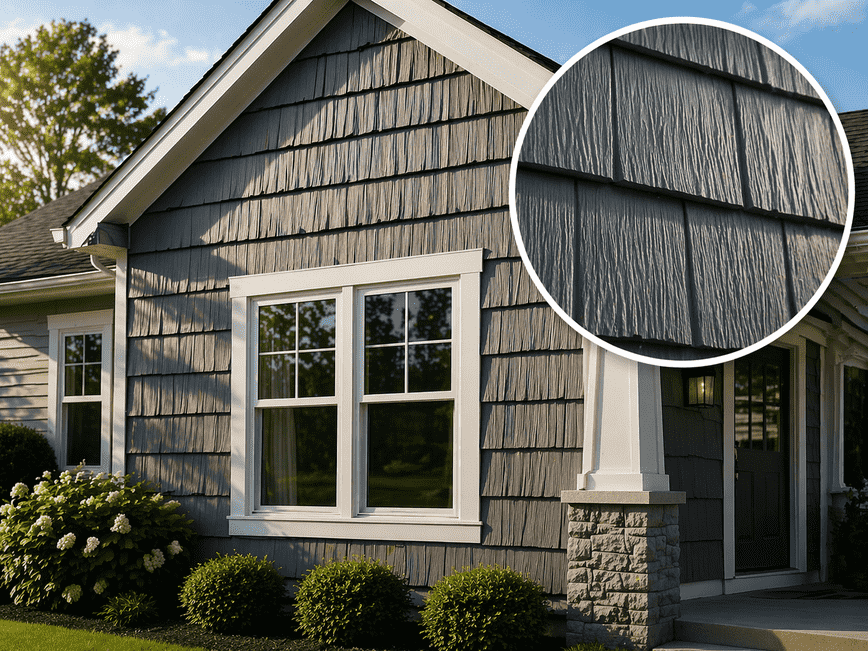
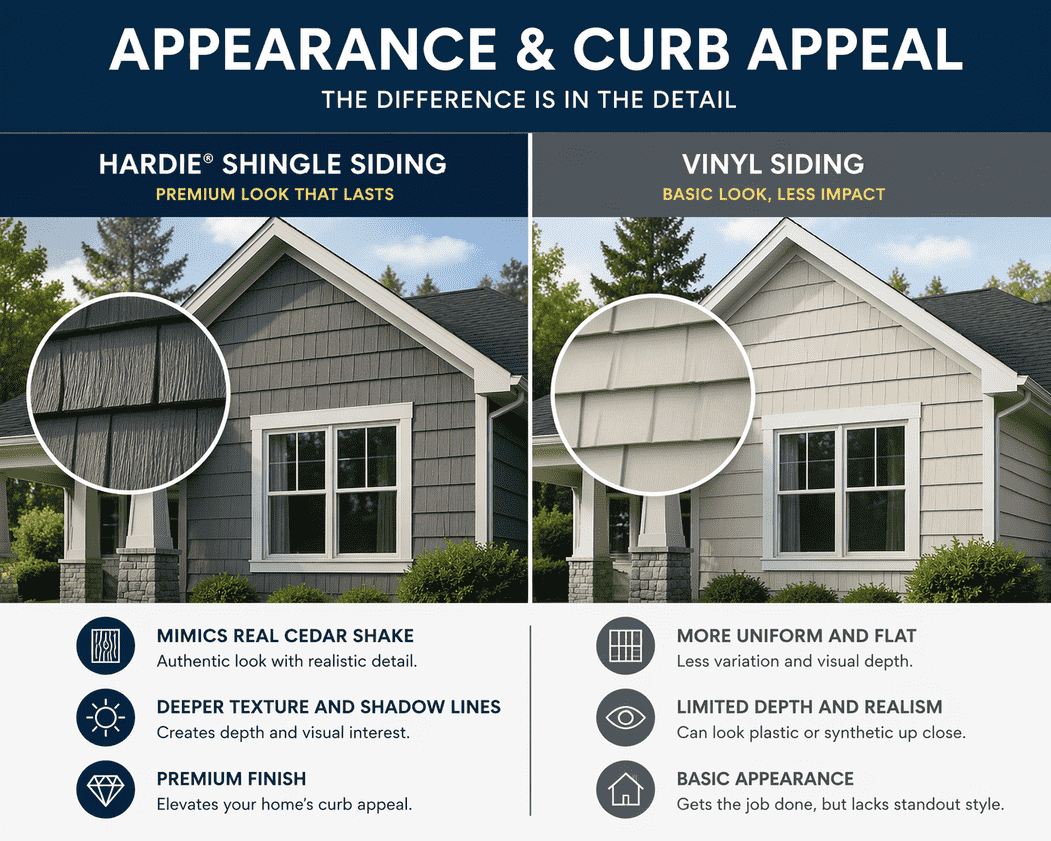
- Can mimic the look of wood or stone.
- Suitable for retrofits over existing siding.

Pros of vinyl siding
Vinyl siding has several advantages that appeal to budget‑conscious homeowners:
- Cost‑effective: It’s generally cheaper than brick, fiber cement or engineered wood, with installation costs typically ranging from $3,000–8,000 per 1,000 sq ft.
- Wide design choice: Vinyl comes in numerous styles, textures and colors, including products that mimic natural wood or stone. This flexibility allows homeowners to match or contrast the siding with roofing and trim.
- Low maintenance: Unlike wood that requires regular painting or staining, vinyl siding simply needs periodic washing. The material resists moisture and pests and does not rot.
- Energy efficiency: Insulated vinyl siding can improve a home’s energy efficiency and comfort. It acts as an additional barrier against heat gain and loss.
- Durability: High‑quality vinyl withstands extreme temperatures, wind, rain and sleet important for North Carolina’s humid summers and occasional hurricanes.
Cons of vinyl siding
No building material is perfect. Consider these potential drawbacks:
- Fading & cracking: UV exposure shortens color life.
- Not easily repainted: Changing colors requires replacement.
- Heat warping: Darker colors may warp on sun-facing walls.
What are asphalt shingles?
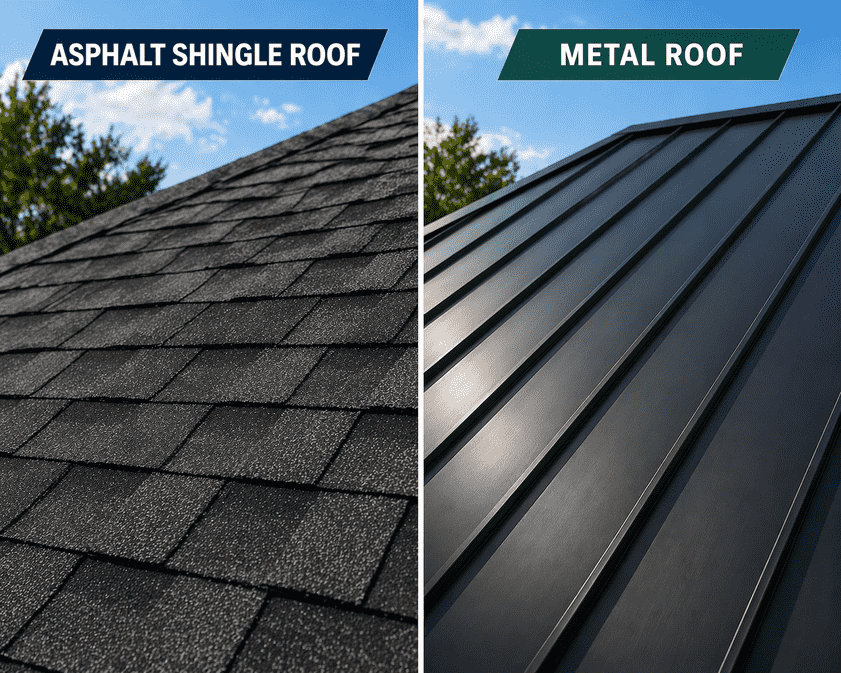
Asphalt shingles are the most common roofing material in the U.S. They consist of a fiberglass mat coated in asphalt and granules, installed in overlapping rows.
Benefits of asphalt shingles
Asphalt shingles provide many advantages for North Carolina homes:
- Affordable: Among the least expensive roofing systems.
- Durable: Good resistance to rain and wind.
- Versatile styles: Three-tab, architectural, and luxury options.
- Ease of repair: Individual shingles can be replaced.
- Energy efficient: Many models are ENERGY STAR® rated.
- Longevity: 15–20 years for three-tab; up to 50 years for architectural.
Drawbacks of asphalt shingles
Homeowners should also weigh these concerns:
- Lower durability compared to premium materials: Standard asphalt shingles are less durable than metal, tile or slate roofing. Frequent storms and hail can shorten their lifespan.
- Color fading: Prolonged sun exposure can fade shingle colors, which may reduce curb appeal over time.
- Limited environmental sustainability: Asphalt is petroleum‑based, and most shingles are not recyclable, which may concern environmentally conscious homeowners.

How the two systems interact (the part most guides skip)
Pairing vinyl siding with asphalt shingles works but only if they’re detailed correctly as a system.
- Water flow: Roofs dump water onto walls at dormers and sidewalls. Without step flashing and kick-out flashing, water seeps behind siding.
- Air & heat: Hot attics age shingles and warp siding without balanced intake/exhaust ventilation.
- Moisture behind siding: Vinyl isn’t waterproof; it needs a WRB (weather-resistive barrier) and ideally a rainscreen gap for drainage.
- Expansion & movement: Vinyl expands in heat. Correct nailing and trim channels prevent buckling.
- Wind & impact: Both assemblies must meet regional wind ratings. Proper fasteners and starter courses are critical.
Durability and Lifespan
Material | Lifespan | Maintenance Needs |
Vinyl siding | 20–30 years | Wash annually, inspect for cracks/warping |
Three-tab shingles | 15–20 years | Inspect after storms, replace damaged shingles |
Architectural shingles | 30–50 years | Regular inspections, clean gutters |
Tip: Pair premium vinyl siding with architectural shingles for lifespan alignment.
Pros of Pairing Vinyl Siding and Asphalt Shingles
- Affordable and accessible: Budget-friendly materials that are widely stocked across North Carolina.
- Design versatility: Hundreds of siding colors and profiles; dimensional shingles add visual depth to the roofline.
- Low maintenance: Requires only routine cleaning and visual inspections.
- Easy repairs: Both materials allow for localized replacement after storm damage.
- Performance upgrades: Available in impact-resistant, UV-stable, and insulated variations to suit harsh southern weather.
Pitfalls to Avoid (These Cause 80% of Callbacks)
- No kick-out flashing: Major cause of water intrusion at roof-wall transitions.
- Poor attic ventilation: Leads to heat buildup, shingle wear, and siding distortion.
- No rainscreen behind siding: Causes water trapping and mold growth in humid climates.
- Tight nailing and short trim channels: Restricts movement, causing buckling and “oil-canning.”
- Color and heat mismatch: Dark vinyl next to sun-soaked shingles may warp on south-facing walls.
- Mismatched warranties: Improper ventilation or flashing can void both roofing and siding warranties.
- Ignoring wind zones: Standard nailing patterns fail in high-wind coastal or mountain areas.
When vinyl + asphalt isn’t the best match
- Wildfire/heat exposure zones: Consider fiber-cement siding or metal roofing for higher heat resistance.
- Extreme wind/salt: In coastal or high-exposure sites, choose higher wind-rated shingles and heavier-gauge siding or step up to steel/fiber-cement cladding and standing-seam metal roofs.
- Historic districts/HOAs: Profiles and colors may be restricted. Get approvals first to avoid rework.
Installation and Maintenance Best Practices
- Inspection – Check roof and wall sheathing, moisture barriers.
- Material selection – Match siding/shingle lifespan and colors.
- Prep work – Add WRB, rainscreen, attic ventilation.
- Installation – Nail vinyl loosely, use step/kick-out flashing, overlap shingles correctly.
- Final inspection – Walkthrough with contractor, get warranty info.
Working with local experts
Homeowners should solicit multiple bids, check references and verify licensing and insurance. CPS Construction Services, a trusted North Carolina contractor, can assess your home’s needs and help you choose quality vinyl siding and asphalt shingles that complement each other.
What to expect from a siding and roofing project
- Inspection and planning: A contractor will inspect your existing roof and siding, assess structural integrity, and recommend products based on your budget and goals.
- Material selection: Choose siding profile (lap, board‑and‑batten or shakes) and shingle style (three‑tab, architectural, luxury) that fit your home’s design and budget.
- Preparation: The crew will remove old materials, repair damaged sheathing and install moisture barriers. For siding, they may add insulation.
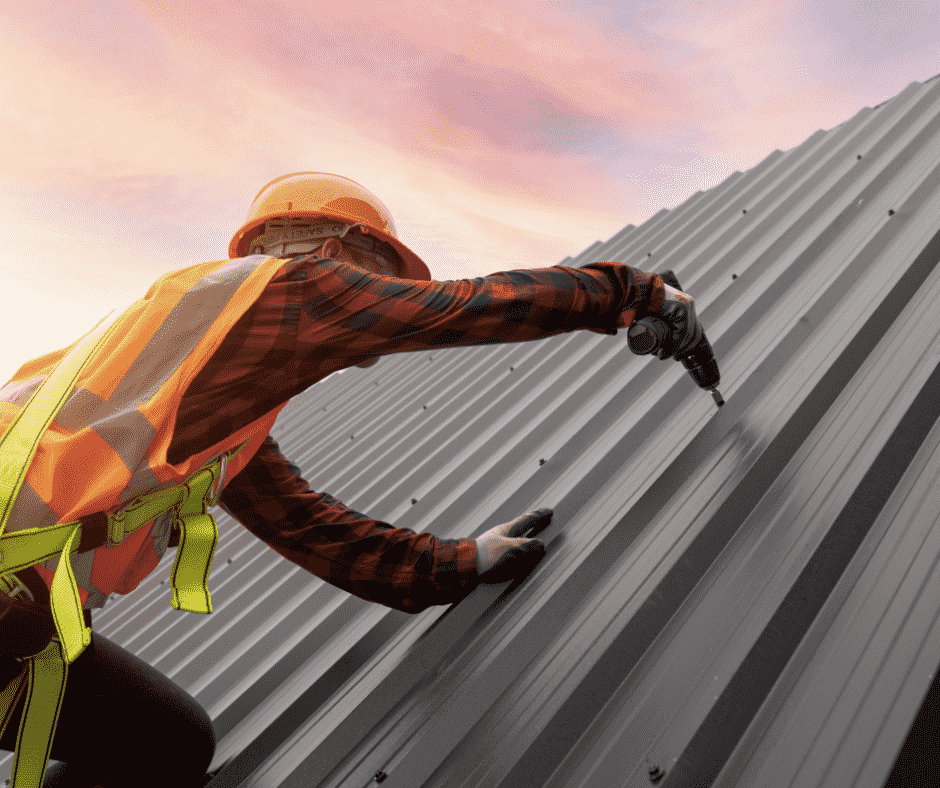
- Installation: Professionals will install shingles with proper overlap and flashing, and nail vinyl panels loosely to allow for expansion and contraction. Correct installation is vital to prevent leaks and warping.
- Final inspection and cleanup: Contractors should conduct a walkthrough to ensure satisfaction and provide maintenance tips.
Verdict: Good Match or Mistake?
For most North Carolina homeowners, vinyl siding with asphalt shingles is a smart, durable match as long as it’s installed properly.
- Good match: Affordable, stylish, easy to maintain, energy-efficient.
- Mistake: When shortcuts are taken with flashing, ventilation, or material quality.
Frequently Asked Questions
Architectural shingles provide better wind resistance than basic three‑tab shingles but extreme winds may warrant metal or synthetic roofing.
With proper care, vinyl siding can last 20–30 years before replacement is necessary.
Modern asphalt shingles reflect solar heat and meet Energy STAR® criteria, improving energy efficiency.
No. Vinyl siding cannot be easily painted; choose your color carefully or plan for replacement.
Small repairs may be DIY‑friendly, but full installations are best left to licensed professionals for optimal results.
Choosing the right combination of vinyl siding and asphalt shingles isn’t just about looks, it’s about protecting your investment against North Carolina’s heat, humidity and storms.
If you’re considering a roof or siding upgrade, contact a trusted local contractor like CPS Construction Services to schedule a consultation. They can help you select high‑quality materials, coordinate colors and ensure that your home remains beautiful, energy‑efficient and durable for decades.
Don’t wait until small issues become costly problems; get expert advice today.